Build relationships that support the life you want.
Private relationship consulting with Adora Aiza.
Personalized Relationship Consulting
Meet Someone New
Evaluate Current Relationship
Build Deeper Connection
Make Life Changing Decision
We look at what is happening, what you actually want,
and help you understand what to do next.
Proof of What Changes
When You Stop Settling for less.
This is the moment things change.Press Play to Hear Audio→
Ordinary People, Extra-Ordinary Results
Need Help Knowing What You Want?
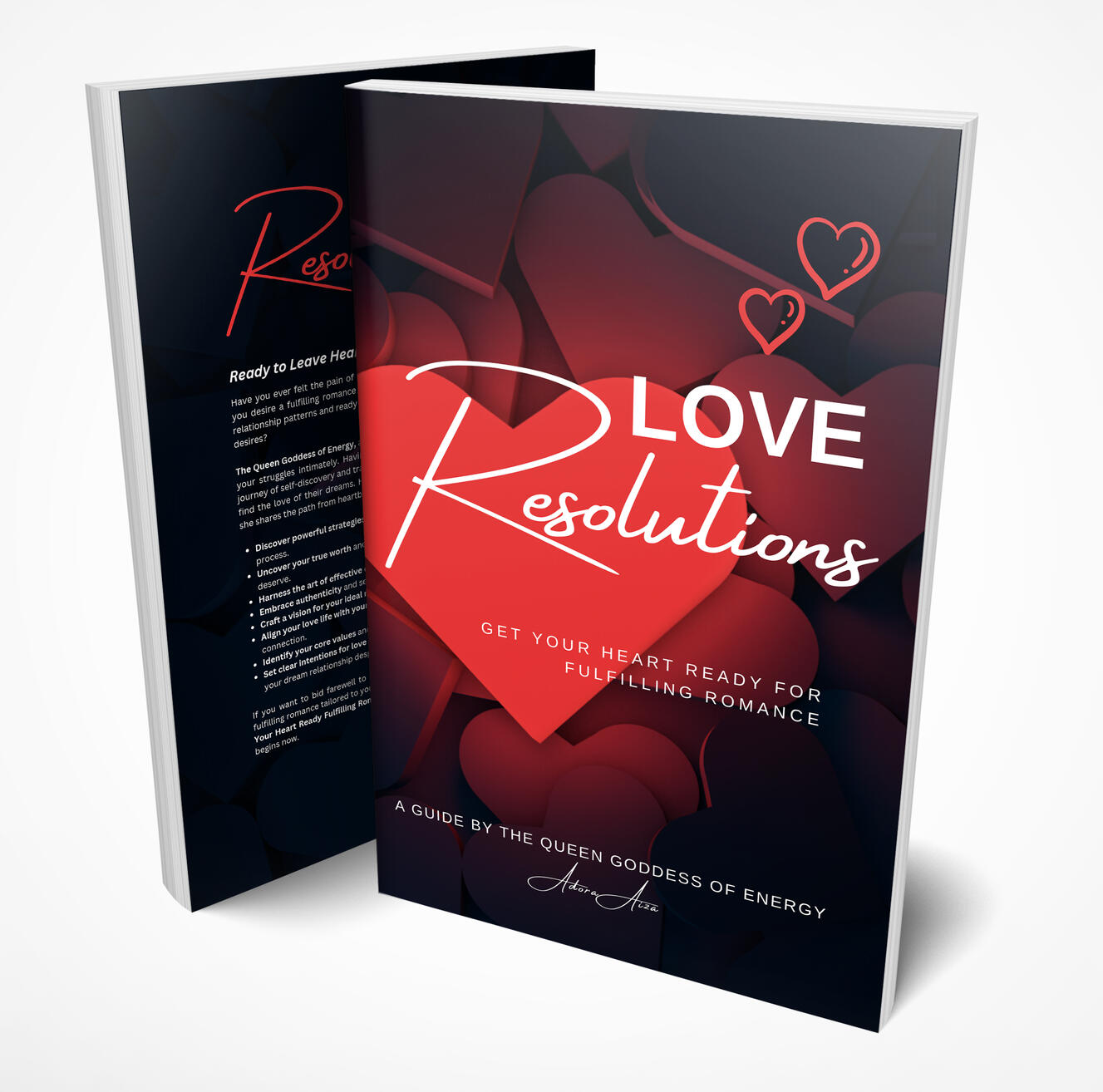
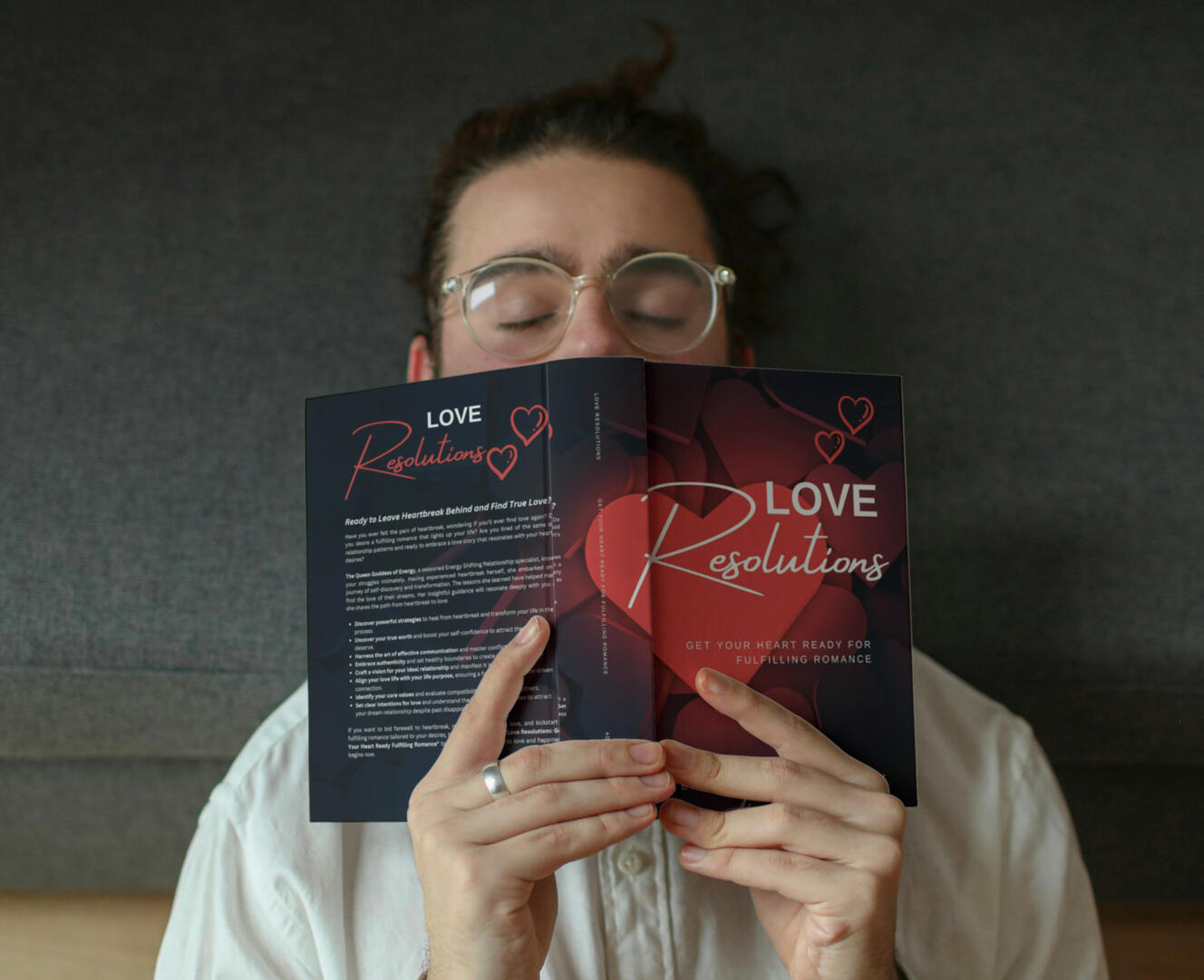
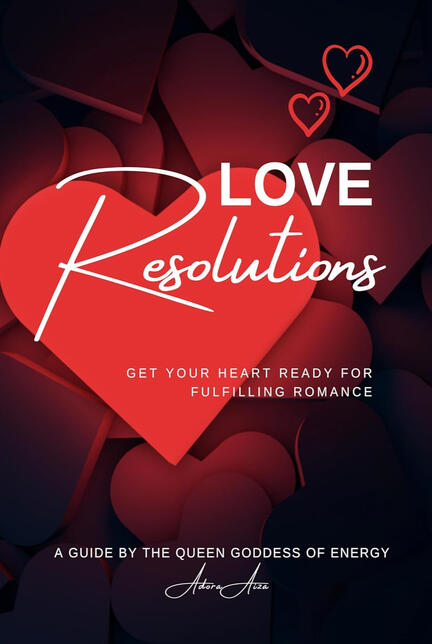
Love Resolutions
Get Your Heart Ready for Romance
A book about making better decisions in love and building relationships that support the life you actually want.
Reader Reviews
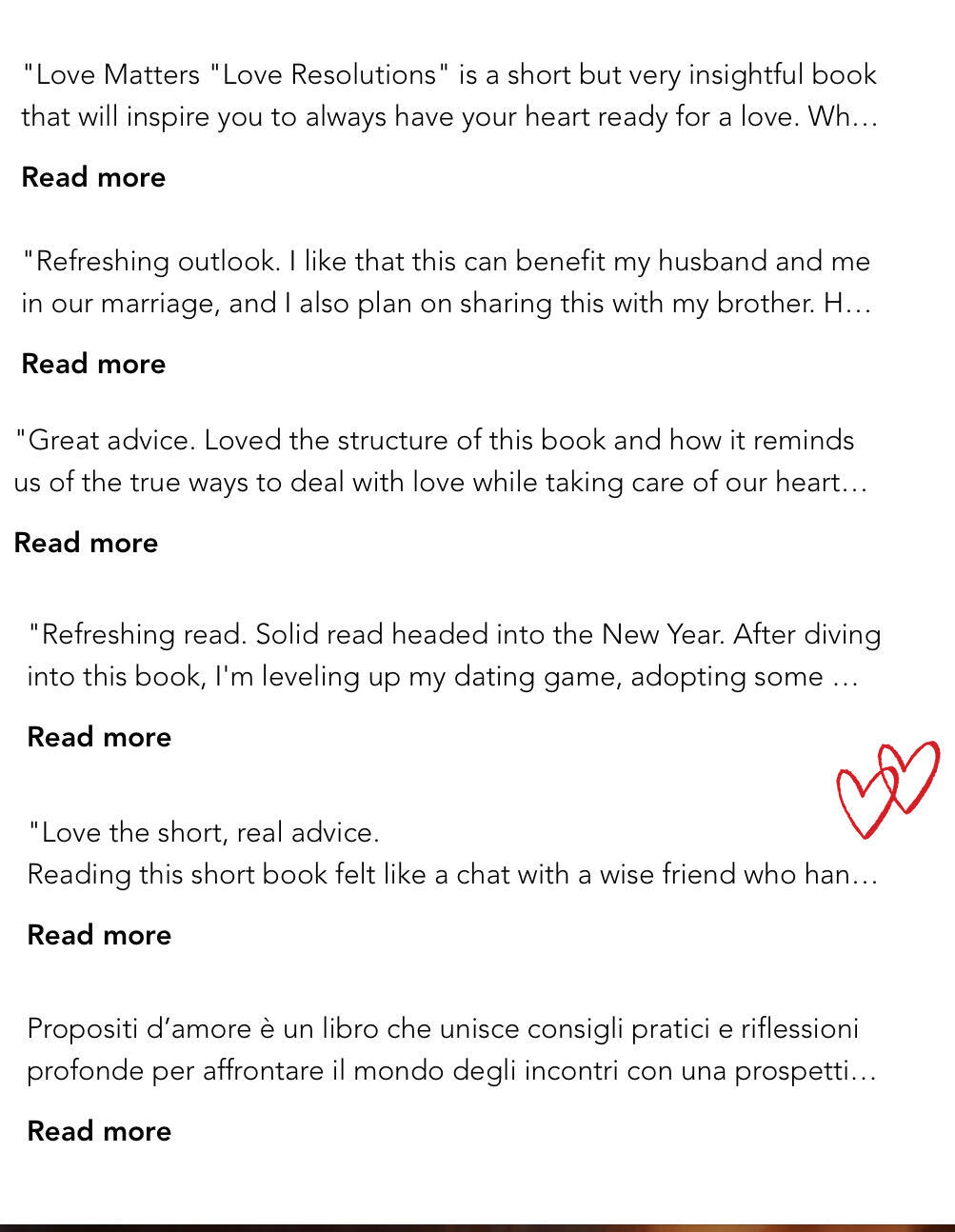
Loved by Readers in 10+ Countries

Meet People in Real Life
A free guide to creating more opportunities for natural chemistry and meaningful connection without apps.

PRIVATE RELATIONSHIP CONSULTING
For people who want clarity about what is happening, what they want, and what happens next.
Private consulting is designed for situations where the outcome matters and ordinary advice is not enough.
We begin by looking at the relationship, decision, or pattern in front of you. Together, we identify what is shaping the current outcome, clarify what you actually want, and determine the strongest next moves.
You leave with a clearer understanding of where you are, what needs to shift, and how to move forward.
Relationship Insights on Podcasts
Adora Aiza
Artist, author, founder of Energy Masters Elite and creator of The Aiza Method and Velvet Passport.
I help people recognize what deserves their love, effort, and presence, and how to walk away from what does not.

Build A Life You Love With People Who Love You.
Your Love Story Inspirations Await...
Love Resolutions is an Energy Masters collection — a book and curated library of love stories that inspire emotional depth and legacy love
Whether you’re calling in new love or nurturing the one you have, this library is designed to elevate your heart’s resonance.Updated regularly!
Independent reviews. Not affiliated with authors or publishers.
Read
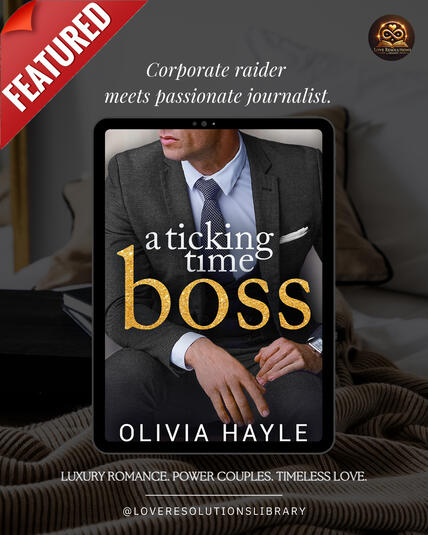
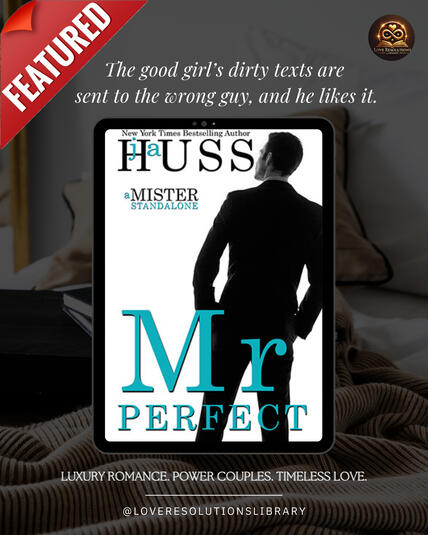
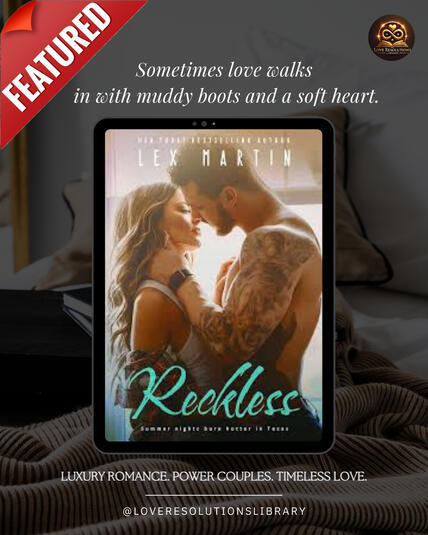
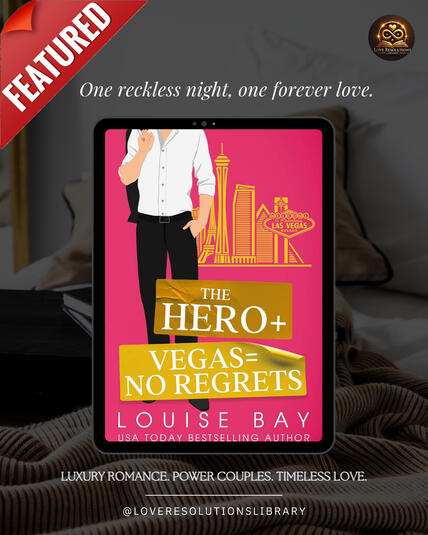
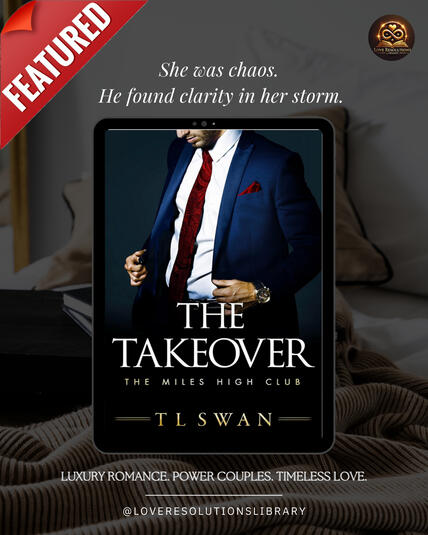
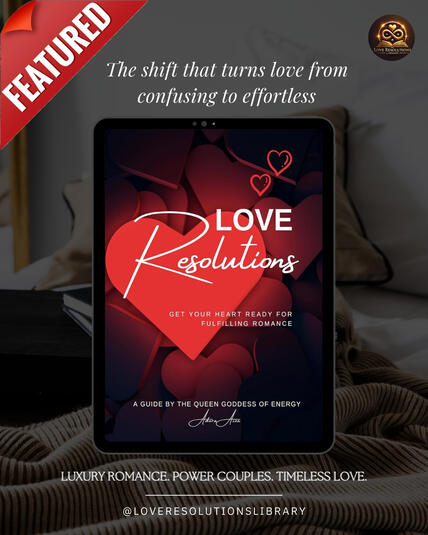


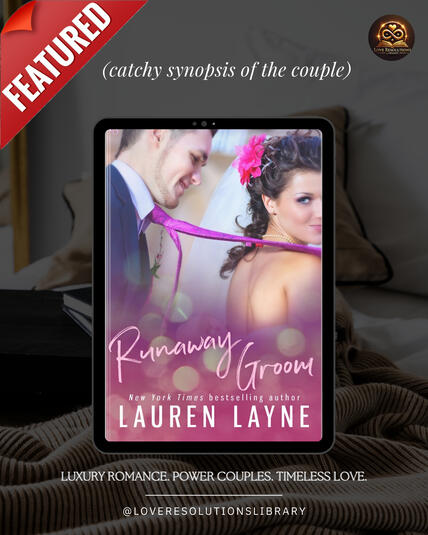
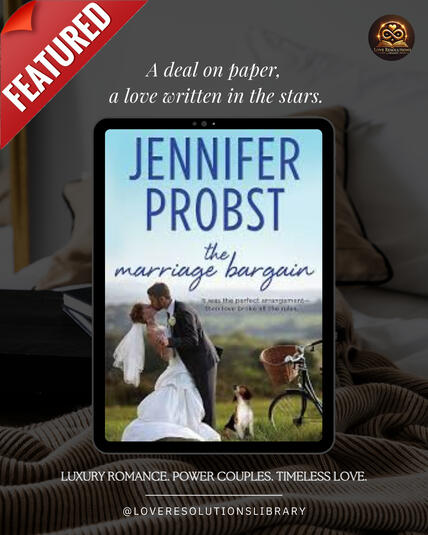
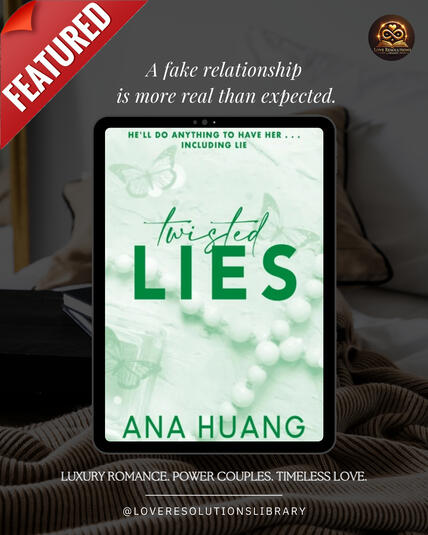


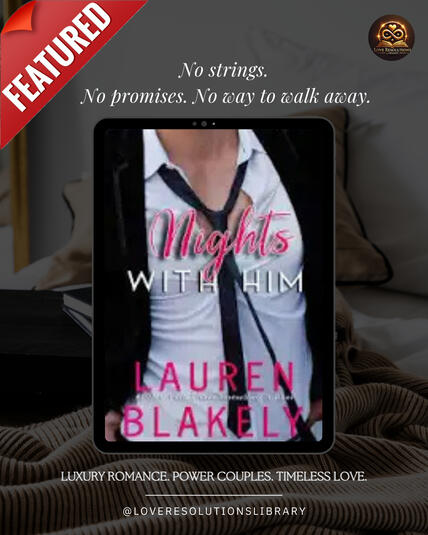
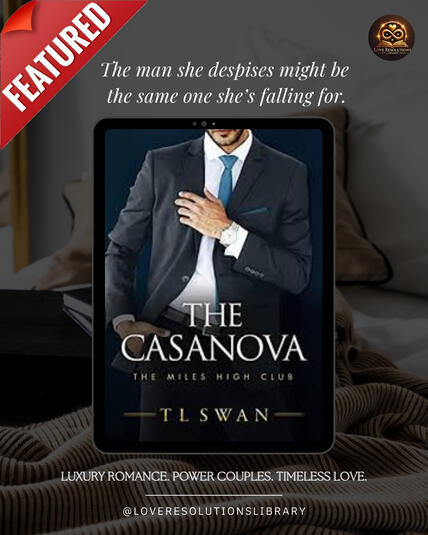
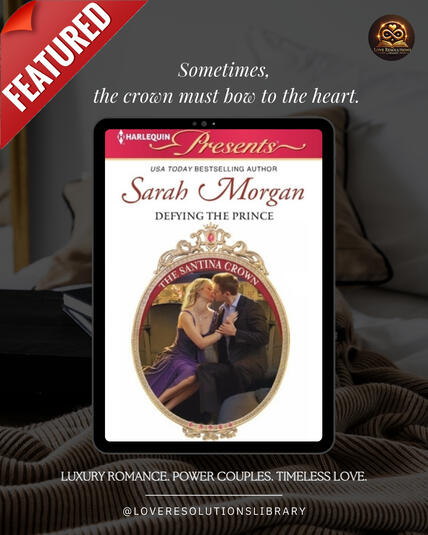
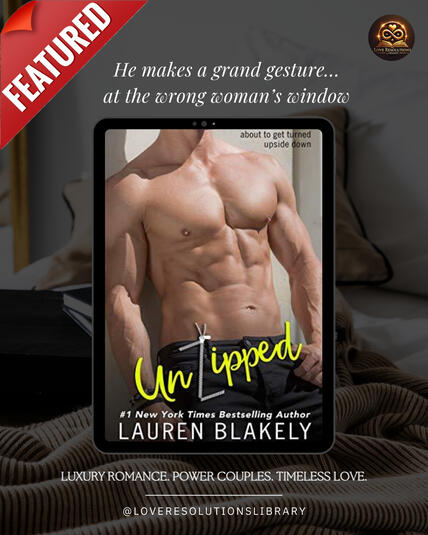

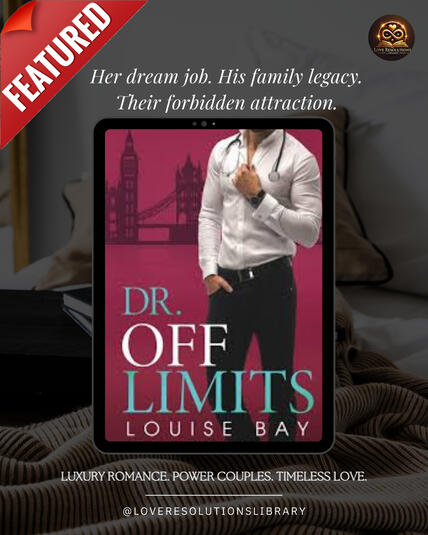
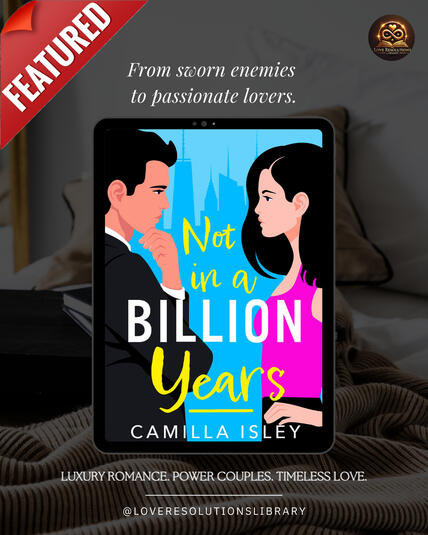
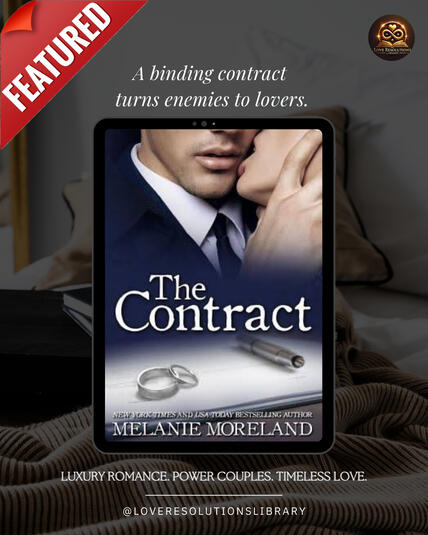

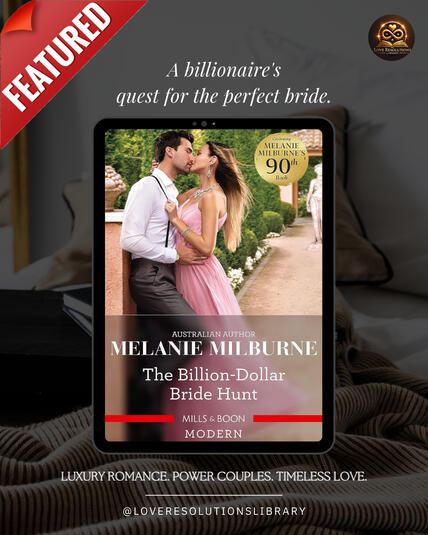
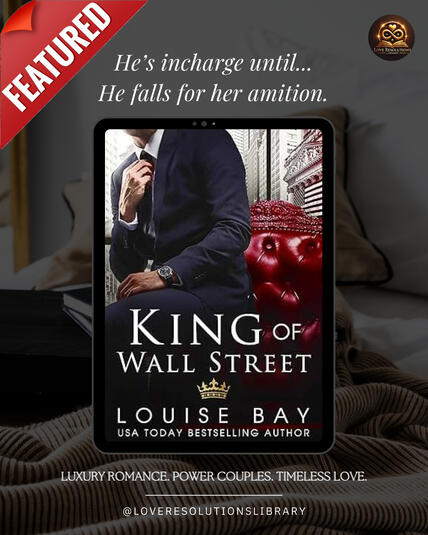
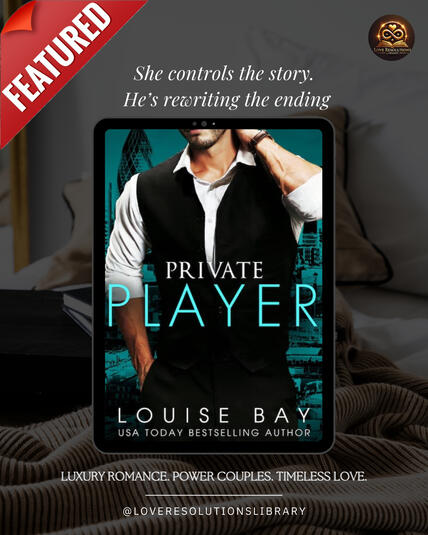

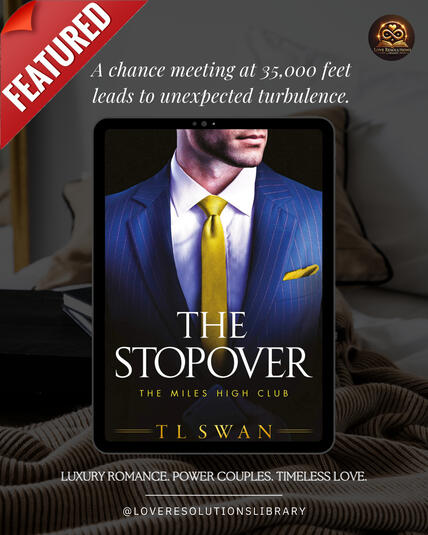
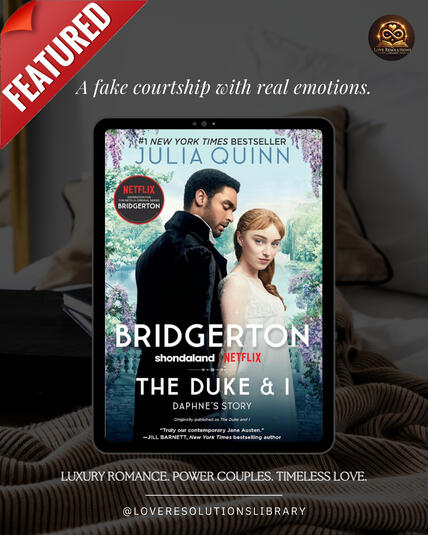
Watch
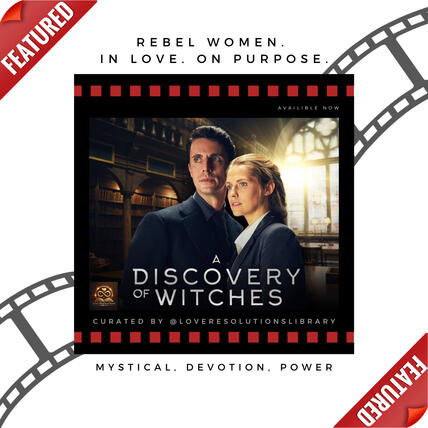



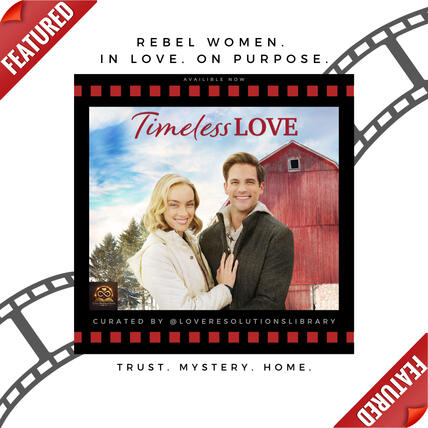




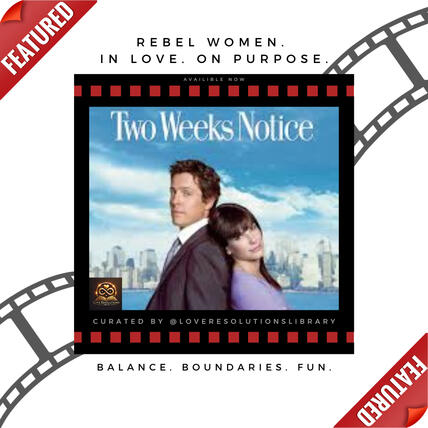




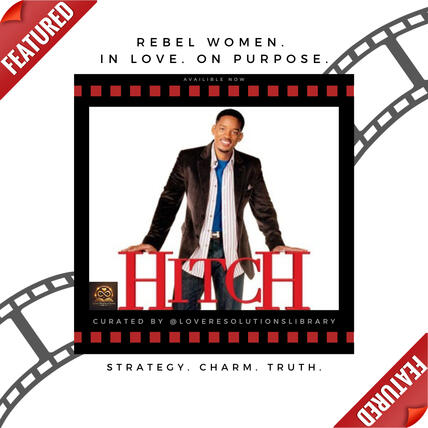
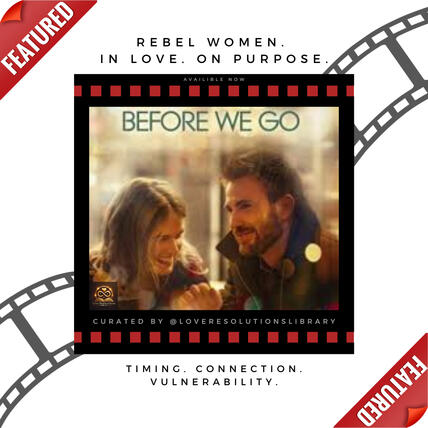





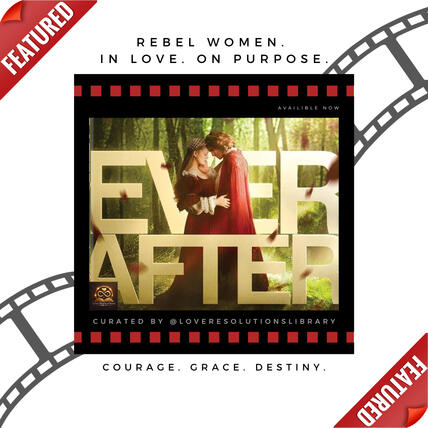

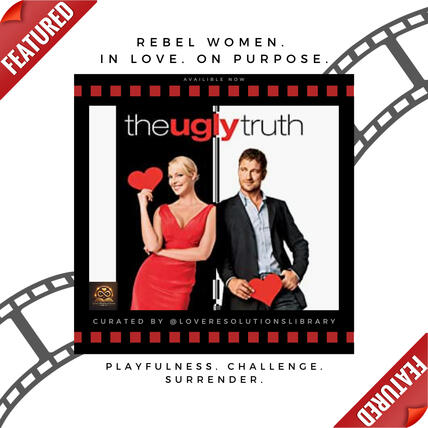
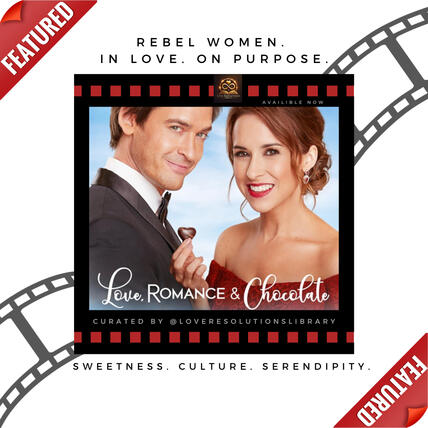

Listen
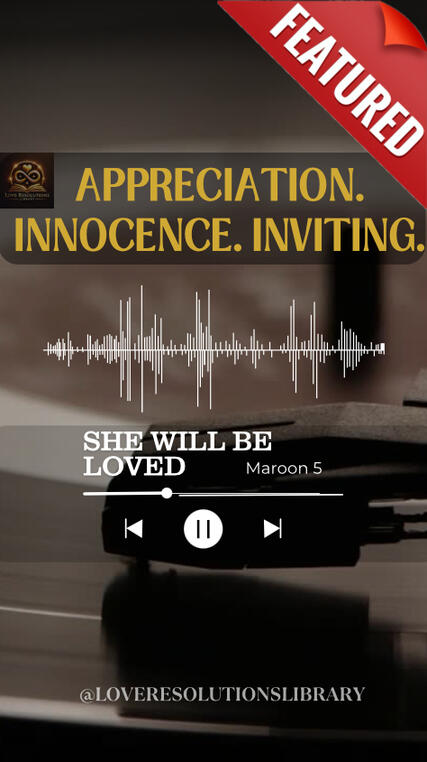
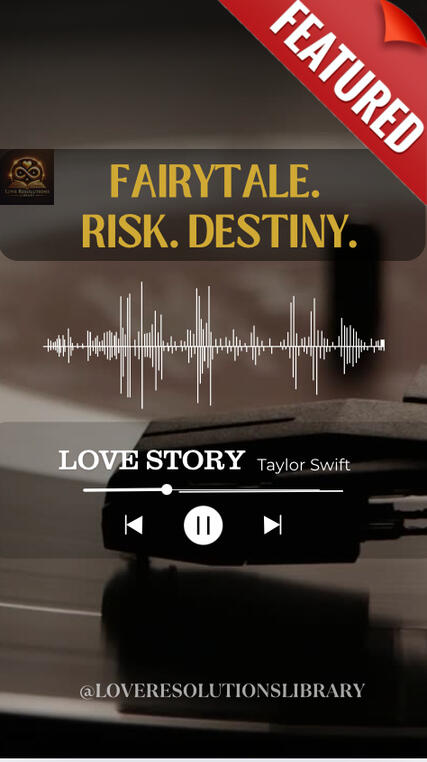
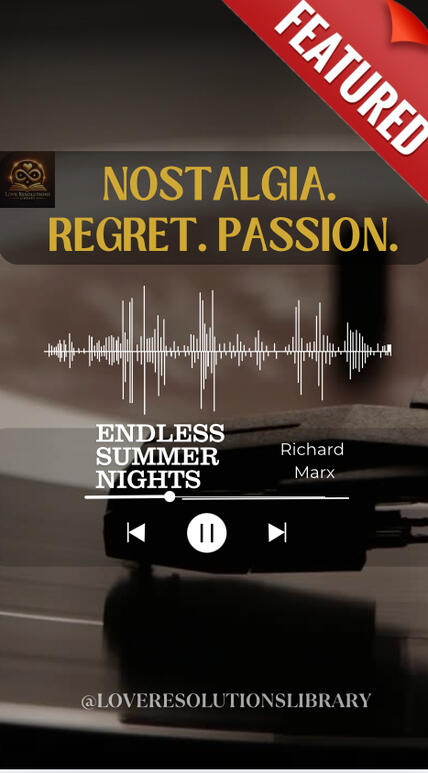
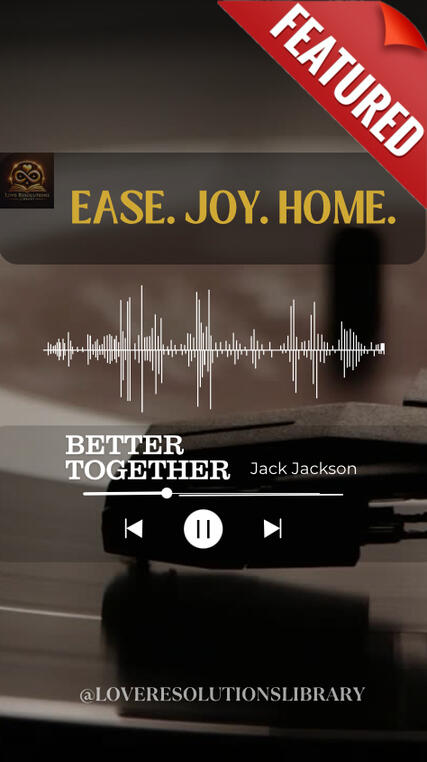
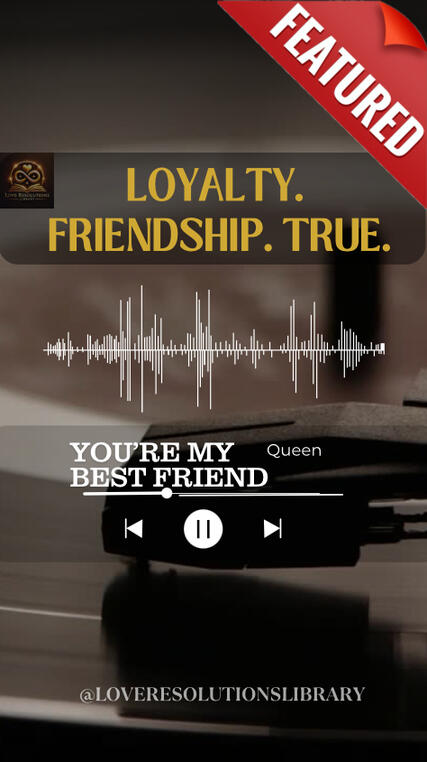
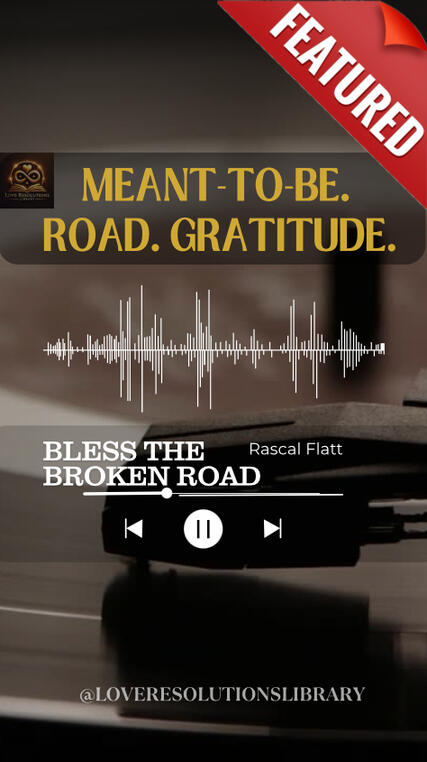
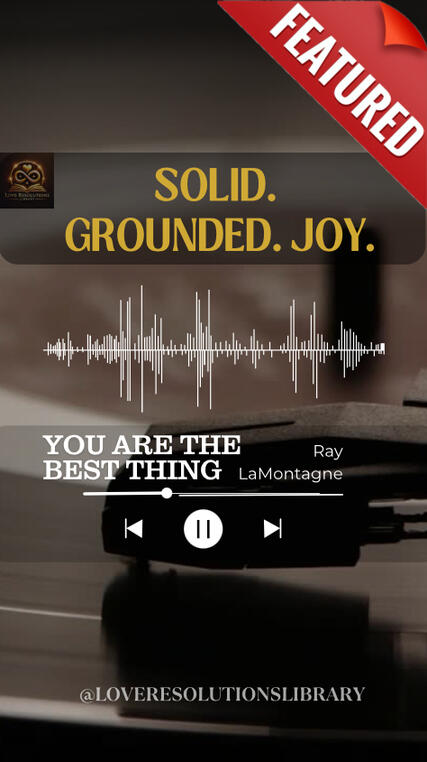
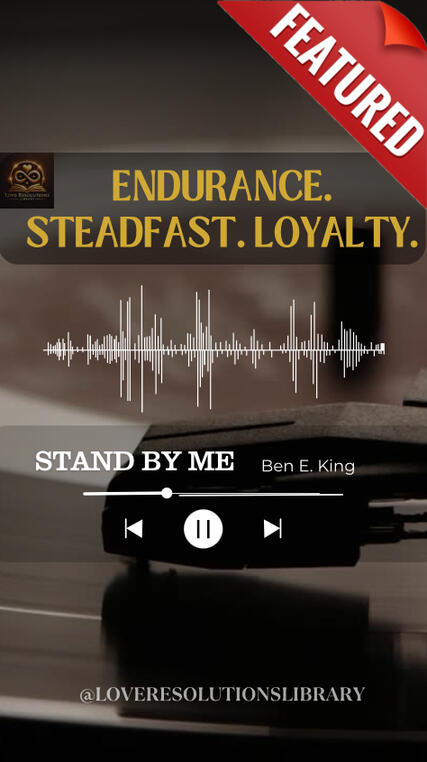
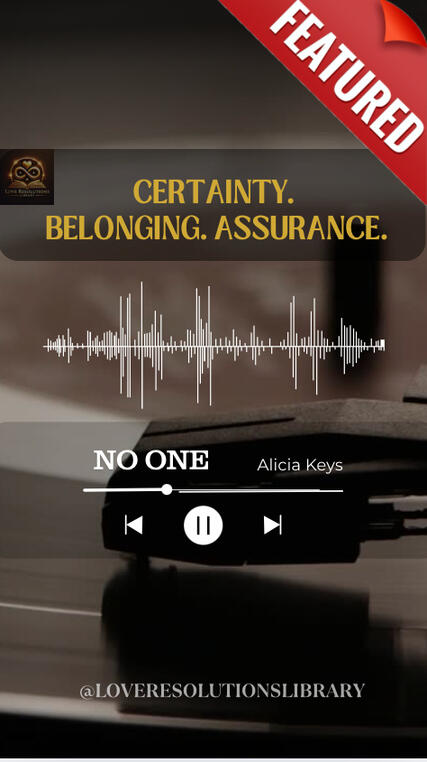
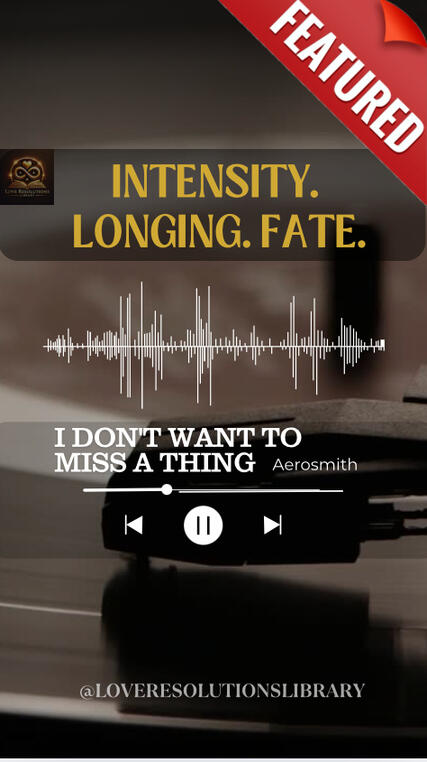
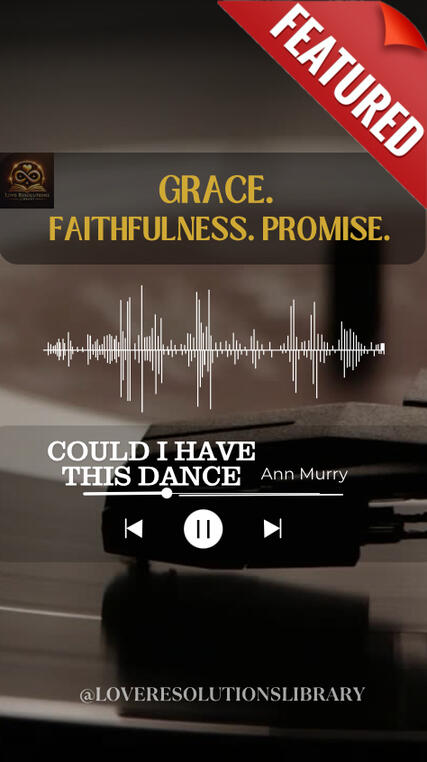
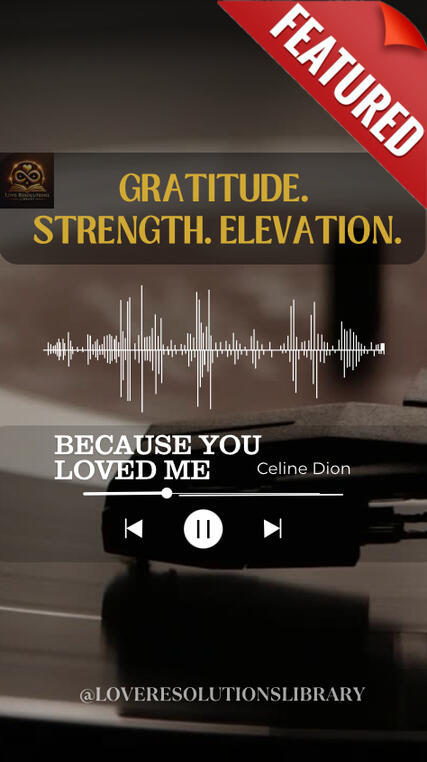
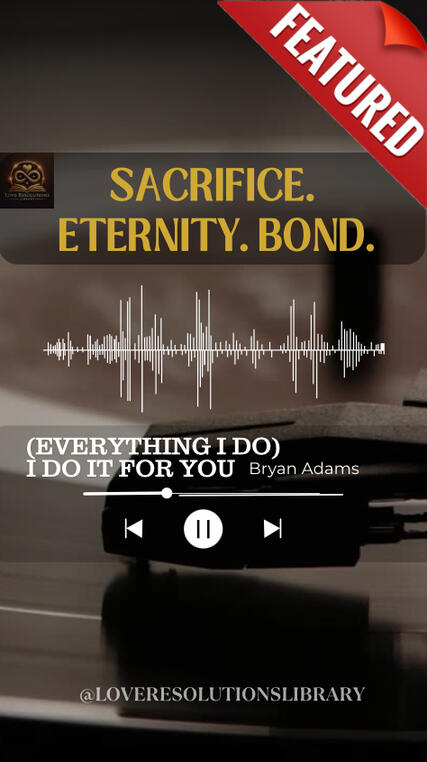
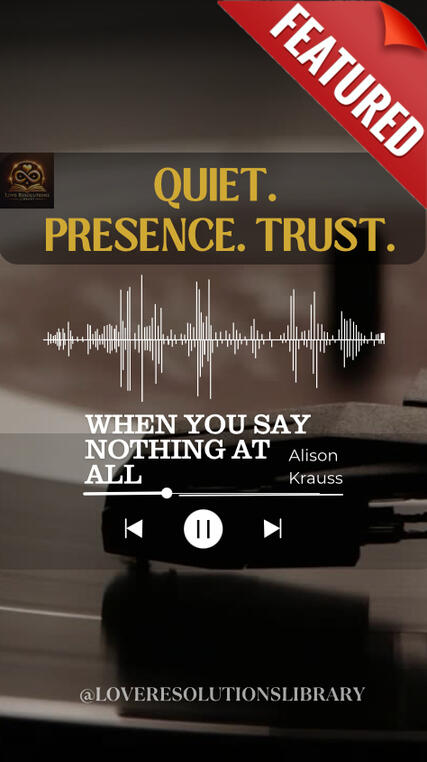
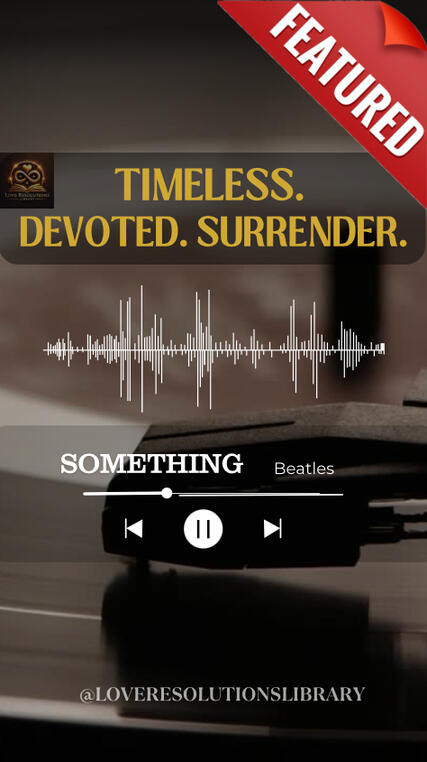
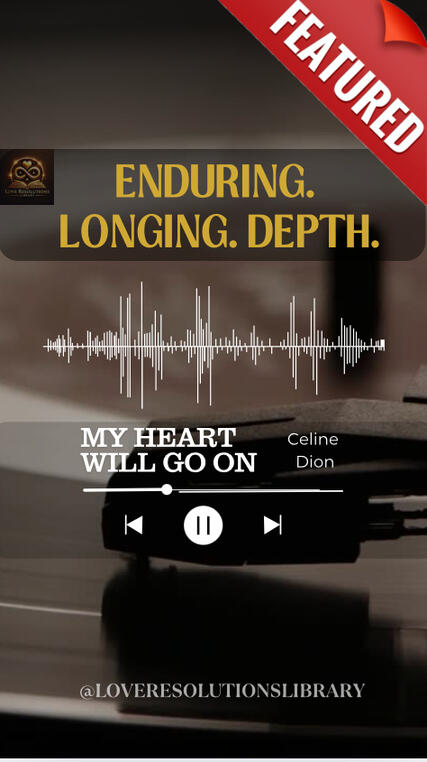
The Book That Started It All: A transformative journey into profound love and attraction.
This is a private curated library. Please do not share publicly without written consent of Love Resolutions Library.
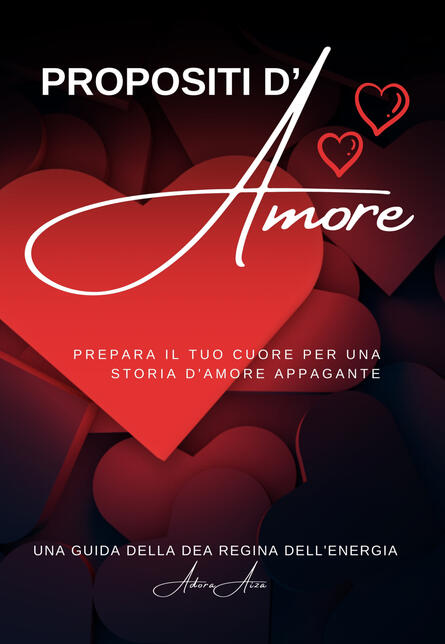
LOVE RESOLUTIONS — FREQUENTLY ASKED QUESTIONSWhat is Love Resolutions?Love Resolutions is a relationship philosophy, book, and consulting platform created by Adora Aiza to help people make clearer decisions in love and build relationships that support the life they want.The book, Love Resolutions: Get Your Heart Ready for Fulfilling Romance, explores the patterns, beliefs, choices, and emotional dynamics that influence who we choose, how we connect, and what our relationships become.Who is Love Resolutions for?Love Resolutions is for people who want more than simply finding someone.It is for people who want relationships that are fulfilling in the present while also supporting who they are becoming, what they are building, and the life they ultimately want to live.How is Love Resolutions different from traditional dating advice?Love Resolutions is less concerned with rules for getting someone to like you and more concerned with helping you make better relationship decisions.The work focuses on recognizing patterns, understanding what you actually want, setting clearer boundaries, and making choices that support stronger relationship outcomes.Will Love Resolutions help me if I am single?Yes.The goal is not simply to get more dates. It is to become clearer about what you want, recognize stronger-fit opportunities, and make choices that allow dating and connection to become a natural part of your life.The work is designed to help you become more intentional without becoming rigid, so that everyday life can remain open to unexpected connection.Can Love Resolutions help if I am already in a relationship?Yes.The same principles apply to understanding recurring patterns, communicating more clearly, deciding what deserves more attention, strengthening connection, setting boundaries, and determining what kind of relationship you want to build together.What is The Aiza Method?The Aiza Method is Adora Aiza’s framework for recognizing patterns, setting clearer boundaries, and making decisions that better support the relationships and life you want.It focuses on closing the gap between knowing what you want and consistently making choices that move you toward it.Do I need to believe in energy work?No.Adora sometimes uses the language of energy because people often sense attraction, resistance, connection, or misalignment before they have words for what is happening.The practical work remains centered on patterns, decisions, boundaries, behavior, communication, and what those choices are creating in your life.Why are quotes and poems included throughout Love Resolutions?Sometimes a few words create recognition faster than pages of explanation.The quotes and poems in Love Resolutions are used as moments of reflection, helping readers see familiar experiences, desires, and relationship patterns from a different perspective.What if I already know a lot about relationships?Knowing what to do and consistently acting in alignment with it are different things.Much of Love Resolutions and The Aiza Method focuses on the space between what people say they want and the choices they make when attraction, uncertainty, fear, desire, or attachment enter the situation.How quickly can things begin to change?The first changes can happen as soon as you begin making different decisions.Love Resolutions is not built around guaranteeing a particular romantic outcome. The focus is on helping you recognize what is happening more clearly, make stronger choices, and create conditions that better support the relationship and life you want.What formats and languages are available?Love Resolutions: Get Your Heart Ready for Fulfilling Romance is available in multiple formats, including audio.The Italian edition is titled Propositi d’Amore.Current purchase options can be found through LoveResolutions.com and Adora Aiza’s store.Are there other Love Resolutions guides and resources?Yes.Alongside Love Resolutions, Adora Aiza has created focused guides for specific situations involving dating, connection, boundaries, and social life.Current resources include:Meet People in Real-LifeBeing Real Without Burning BridgesSecretly Sober SocializingDating With Fur BabiesAdditional resources are added as new relationship and lifestyle questions emerge.What is the Love Resolutions Library?The Love Resolutions Library is a curated collection of books, films, television, songs, and other cultural works that offer useful perspectives on love, intimacy, attraction, connection, and relationship dynamics.Selections are chosen for the ideas, conversations, and observations they can create, particularly around relationship principles explored through Love Resolutions and The Aiza Method.Why does Love Resolutions include books, films, television, and songs?Relationships are not learned only through advice.Stories, music, characters, and cultural narratives shape how people understand attraction, romance, commitment, conflict, intimacy, and what relationships are supposed to look like.The Love Resolutions Library uses culture as another way to examine those dynamics more consciously.Is Adora Aiza also a recording artist?Yes.Adora Aiza is a recording artist whose songs explore love, desire, relationships, freedom, choice, and the experience of connection.Her music is available through major streaming platforms and at AdoraAiza.com.Can Love Resolutions be used in a group, retreat, or book club?Yes.The book can be used for book clubs, retreats, conversations between friends, and other groups interested in exploring love, attraction, relationships, identity, intimacy, and the decisions people make around connection.For bulk-book or event inquiries, contact Love Resolutions directly.What if I have one specific relationship question?Ask Adora is designed for one focused question when you want an outside perspective without booking a live session.You submit one specific relationship, decision, or life question and receive a private response from Adora with what stands out, what may be getting missed, and the strongest next move she sees from where you are now.What if I want personalized relationship consulting?You can begin with a Private Relationship Strategy Session with Adora Aiza.The 90-minute session includes an evaluation of the situation, clarity around what you want, and a practical action plan for what happens next.You do not need to prepare your entire history. Before the session, simply begin considering what you want to have, experience, and feel rather than focusing only on what has gone wrong.Book a session:
https://stan.store/AdoraAiza/p/book-consultingWhat kind of experience does Adora Aiza bring to relationship consulting?Adora Aiza has devoted more than 21,000 hours to understanding relationships, decisions, patterns, and human dynamics.Her private consulting experience spans clients in more than 31 countries and includes multi-month engagements. Client outcomes have included marriages, first love, stronger relationships, more fulfilling dating lives, major life changes, and confident exits from relationships that no longer fit.What is the purpose of Love Resolutions?The purpose is not to tell people who they should love.It is to help people become more honest about what they want, more aware of what their choices are creating, and more capable of building relationships that support both the present moment and the life they want to create.
Most Frequently Asked Relationship Questions Answered
1. Is My Partner Cheating on Me?
Suspicion of infidelity often arises when trust is disrupted by changes in behavior such as emotional withdrawal, secrecy, distance, or actions that no longer match the relationship’s established pattern.
Research shows that infidelity is rarely driven by physical attraction alone. More commonly, it reflects unmet emotional needs, weakened commitment, poor communication, or unresolved personal conflict.
2. Why Do People Cheat in Relationships?
Infidelity is usually a symptom, not the root issue. It tends to emerge when boundaries erode, standards are unclear, or important conversations are avoided. This does not make betrayal acceptable, but it explains why it often follows long periods of emotional disconnection rather than sudden temptation.
Clarity in relationships depends less on surveillance and more on honesty about what is happening and what is no longer working.
3. How to Gain Clarity Without Acting From Fear?
Before seeking proof, it is important to understand what the truth would require from you.
If you would attempt to repair the relationship regardless of the outcome, focusing on emotional reconnection is often more productive than investigation.
If knowing would change your decision to stay, it is healthier to clarify your boundaries and next steps before confronting the situation.
4. Should I investigate to see if my partner is really cheating?
Impulsive investigation is rarely helpful. Attachment style strongly influences how ambiguous behavior is interpreted, and anxiety can amplify suspicion even in the absence of infidelity. The best action is to understand what you do and do not like about your connection with your partner and confront the reality of whether you want to be with them in the perfect case scenario or not. It is important that your actions are dependent on the outcome you desire and not reactive to speculation. You shouldn't need to prove that they are cheating to justify that you are unhappy and want to leave the relationship. The only time investigation is warranted is after you have made an internal decision to stay or leave and need legal proof or peace of mind to bring resolve to your intuition. When you have internal peace, usually the truth reveals itself without much effort in a coincidental way.
5. What if my partner stops wanting sex but I don't think they are cheating?
Sometimes withdrawal is not because of infidelity, though it can be the start of it.
Emotional or sexual withdrawal does not always signal cheating. In many cases, it reflects stress, shame, fear of vulnerability, unresolved resentment, or personal insecurity. When people struggle to express their inner world, intimacy fades and confusion grows. Over time, repeated uncertainty can cause the heart to numb itself as a form of self-protection. Confusion is not a failure. It is a signal that something needs to be addressed.
You deserve honesty.
You deserve emotional safety.
And you deserve clarity that allows you to move forward without regret.
6. Why Do I Keep Attracting the Wrong People?
Attracting the same type of unfulfilling partner is one of the most common patterns in modern dating, and it is rarely the result of bad luck. More often, it reflects unexamined habits around attachment, boundaries, and decision-making.
Psychological research shows that early attachment patterns and unresolved emotional experiences strongly influence who we feel drawn to and what behavior we tolerate, even when those choices work against long-term happiness.
7. How to understand my attachment style and why my patterns repeat?
Repeating relationship patterns does not mean something is wrong with you. It usually means that familiar emotional dynamics feel safer than unfamiliar ones, even when they are disappointing.
Common contributors include: Unresolved emotional carryover from past relationships. Unprocessed experiences can influence attraction without conscious awareness, leading people to choose partners who feel familiar rather than supportive. Choosing from fear rather than intention. Fear of loneliness or urgency to attach often overrides discernment, making attention feel like compatibility.
Boundaries that exist in theory but not in practice. Many people know what they want, but their actions still reflect older standards shaped by habit. Confusing intensity with connection. Anxiety, unpredictability, or emotional pursuit can be mistaken for chemistry, especially when calm connection feels unfamiliar. Lack of clarity around relational roles and expectations. When expectations are unclear or unspoken, attraction becomes unstable and mismatched.
8. How can I change the type of people I attract?
Patterns shift when people learn to recognize what they are responding to emotionally and make different choices under pressure. The solution is not dating less or blaming the past. When standards are embodied rather than explained, attraction begins to change naturally.
Attraction is not random. It reflects what feels familiar, permissible, and emotionally accessible at the moment a choice is made. You do not attract the wrong people because you are unworthy. You attract them because familiar patterns feel safer than unfamiliar growth.
Awareness is the first shift. Choice is the second.
9. Why Do I Lose Myself in Relationships?
Losing yourself in a relationship is a common pattern that occurs when boundaries, identity, and emotional focus become overly tied to another person. Research shows this is more likely among people with high empathy, anxious attachment, or a history of inconsistent emotional connection early in life.
Losing yourself is not a character flaw or a lack of strength. It is usually an adaptive response developed to maintain connection.
Common contributors include: Self-worth tied to being needed or chosen
When love feels conditional, effort replaces presence and identity becomes shaped by usefulness.
Difficulty tolerating emotional calm
For those accustomed to instability, peace can feel unfamiliar, leading to over-functioning to keep connection alive.
Avoiding conflict at the expense of self-expression is a common contributor. Needs and preferences are minimized to preserve harmony, slowly eroding personal clarity.
Sometimes it is easy to over-identification with a partner’s emotional world rather than relating as two individuals, one person begins to carry the emotional weight of the relationship.
Confusing self-sacrifice with love
Healthy love allows both people to expand. Persistent self-erasure creates imbalance and resentment.
10. What restores balance in a one-sided relationship?
The answer is not withdrawal or allow yourself to emotionally shutdown. Balance returns when individuals reconnect with their own center and make choices that reflect their values rather than their fears. Relationships thrive when two whole people meet, not when one disappears to sustain the bond. You are not meant to disappear inside someone else’s life.
You are meant to bring your full self into a connection that honors it.
11. Why Does My Partner Feel Emotionally Distant?
Emotional distance is one of the most common experiences in long-term relationships. Research shows that people often withdraw emotionally when they feel overwhelmed, unsure how to express themselves, disconnected from meaning or purpose, or concerned about disappointing their partner. Emotional distance does not automatically signal betrayal or lack of love. People rarely pull away to cause harm. More often, emotional distance is a form of self-protection. (Narcissistic personalities or those with manipulative agendas are excluded but usually intuition reveals this through signs and micro-reactions in your body towards them)
12. What are the most common reasons my partner might pull away?
- Fear of vulnerability
Some people retreat when they are unsure their inner thoughts or emotions will be understood or received well.
- Embarrassment or insecurity
Changes in desire, confidence, or physical intimacy can lead to withdrawal rather than open communication.
- Unresolved stress or internal pressure
Work demands, identity challenges, or personal uncertainty can consume emotional bandwidth and reduce emotional availability.
- Unspoken disappointment or feeling unseen
When needs go unexpressed or unmet, people often disengage quietly instead of addressing the issue directly.
- Emotional numbness
Prolonged stress or unresolved conflict can lead to emotional shutdown as a way to avoid further pain.
13. How to Respond to a Fading Relationship Without Deepening the Distance?
Attempts to force closeness, demand reassurance, or escalate emotional intensity often increase withdrawal. Clarity comes from observing patterns and responding with steadiness rather than urgency.Helpful responses include:
- Initiating calm, non-accusatory conversations
- Allowing space without withdrawing emotionally yourself
- Paying attention to consistency rather than isolated moments
- Creating emotional safety through presence rather than pressure
- Distance often softens when people feel less evaluated and more understood.
Emotional distance is not always an ending. Often, it is a signal that something internal needs attention before connection can return. Clarity begins with understanding, not assumption. If the connection truly isn't serving both partners to their highest potential then the best solution is time apart or just letting the romantic part go.
14. Why Did the Passion Fade in My Relationship?
A decline in passion is extremely common in long-term relationships and does not automatically mean love is gone. Research shows that desire often fades when people stop feeling emotionally seen, appreciated, or connected, and when routine replaces curiosity, novelty, or admiration. There is a Science of Desire in Long-Term Relationships and it reveals that passion changing over time
is not random. It is influenced by emotional safety, mutual interest, and the way partners relate to one another over time.
15. What are common reasons for passion to fade in a relationship?
• Loss of distinction between partners
When roles become rigid or overly familiar, attraction can soften. Desire often thrives on presence, interest, and a sense of individuality rather than sameness.
• Unspoken resentment or unresolved tension
Emotional friction blocks desire. When resentment goes unaddressed, intimacy can begin to feel like pressure instead of connection.
• Emotional numbness
Prolonged stress, disappointment, or avoidance can cause emotional shutdown. A numb heart protects itself by reducing desire rather than risking vulnerability.
• Lack of admiration or appreciation
Desire grows where people feel valued. When appreciation fades, attraction often follows.
• Physical or emotional disconnection
Changes in confidence, health, stress levels, or self-image can quietly affect intimacy if they are not acknowledged.
16. How do I restore passion and desire in my relationship?
Desire and Passion are more likely to return to when emotional clarity is restored and connection feels safe rather than demanded.
Helpful conditions include:
•Honest but low-pressure conversations
•Renewed curiosity about one another
•Allowing space for individuality
•Reintroducing shared experiences that feel engaging rather than obligatory
Desire responds to presence and intention, not force.
Passion fades when a relationship becomes emotionally static.
When connection is refreshed, desire often follows.
17. How Do I Heal After a Breakup or Heartbreak?
Heartbreak is one of the most intense emotional experiences people face. Research shows that romantic loss activates the same neural pathways as physical pain, which is why heartbreak can feel sharp, heavy, and difficult to escape. The best way to heal is by allowing yourself to feel every corner of disappointment and loss of the person as well as the dreams of your life that are attached to them. Honoring the fulfilled desires and connections that the relationship served. One of the most affective ways to heal from heartbreak is by recognizing that you will not always feel the pain that you have in the moment that it is fresh and that it is a great moment to get clear about what you do not want moving forward. Instead of focusing on anything wrong that the person did, avoid being a victim and thank them for contributing to your life when they did and make a conscious decision that you will be open to discover who you become for the next phase of your life. Heartbreak is proof that your heart works, now you just need to show it that there is more to love than what you had. You can also feel relief about what good was there even though you accept that you will not return to be with them.
18. Why is it taking me so long to get over someone?
Sometimes heartbreak lingers when the emotional process and inner growth remains unfinished.
Common reasons include:
- Emotions that have not been fully felt
- Avoiding pain can keep it active beneath the surface rather than allowing it to resolve.
- Attachment to the imagined future rather than the reality
- Many people grieve who they hoped to become in the relationship, not the relationship as it truly was.
- Repetitive mental loops
The nervous system replays memories in an attempt to regain control, even when this prolongs distress.
- Loss of identity outside the relationship
When a relationship becomes central to identity, its end can create disorientation that takes time to resolve.
- Environmental reinforcement of sadness
Music, habits, and routines that repeatedly activate loss can slow emotional recovery.
19. What Are Practical Ways to Heal from Heartbreak?
Healing happens when emotion is allowed to move rather than being resisted or analyzed endlessly.
Helpful conditions include:
- Allowing emotions to rise without judgment
- Reducing repeated exposure to reminders that reopen the wound
- Redirecting emotional intensity into movement, creativity, or meaningful activity
- Reconnecting with interests and goals that exist outside the relationship
- Spending time around emotionally grounded peopleHealing is not about erasing memory.
It is about restoring inner stability.
Healing does not mean forgetting.
Healing means remembering who you are without the relationship. I promise, if you want to feel better, you can. You've got this.
20. Why Does It Feel Impossible to Trust My Partner?
Struggling to trust a partner is not always a sign that something harmful is happening. Research shows that trust issues often come from unresolved emotional experiences, past betrayal, insecure attachment patterns, or nervous system conditioning rather than the current partner’s behavior.
Understanding Trust in Relationships link Psychology Today.
Why Trust Becomes Difficult
Trust is not only an emotional response. It is also a decision shaped by past experience.
Common reasons trust feels impossible include the following.
Number one. Your nervous system is stuck in protection mode.
After hurt or betrayal, the nervous system can remain on alert. This creates hypervigilance, where you scan for danger even in situations that may be safe.
Number two. You expect betrayal because you have experienced it before.
Past wounds can distort how new relationships are interpreted. Old experiences begin to shape present perception until they are resolved.
Number three. You fear embarrassment more than loss.
Many people are more afraid of appearing naive or foolish than they are of losing the relationship itself. This fear blocks openness.
Number four. You do not trust your own judgment.
When someone has ignored warning signs in the past, they may doubt their ability to recognize truth now, which makes trust feel risky.
Number five. Your partner has not shown consistency.
Trust is built through repeated, reliable actions over time, not through promises or words alone.
21. What Restores Trust in A Relationship?
Rebuilding trust begins with clarity rather than control. Many women need to receive gestures of love and men need to feel respected with gratitude.
Helpful steps include the following.
- Decide whether your goal is to rebuild trust or to protect yourself from further disappointment. These require different actions.
- Ask for small, short term commitments and observe consistency rather than intensity.
- Share fears without blame so your partner understands what reassurance you actually need.
- Clarify expectations and emotional responsibilities instead of assuming alignment.
- Strengthen self respect through clear boundaries and actions that match your values.
Trust grows when behavior, boundaries, and expectations align over time.
Trust is not blind faith. It is the willingness to observe reality without letting fear decide in advance.
22. How Do I Know If This Relationship Is For Me Or Not?
Knowing whether a relationship is right for you is one of the most important and most confusing questions in love. Research shows that people often mistake fear, attachment wounds, or unresolved past experiences for intuition, which can make decision making feel overwhelming.A relationship tends to be supportive when thoughts, emotions, and behavior move in the same direction. Confusion often appears when desire is present but comfort, trust, or stability are not.
A relationship that fits you should expand your life rather than narrow it. It should create more clarity rather than more uncertainty.
Key Signs A Relationship Is Right For You
1. You feel emotionally safe.
You can speak honestly without fear of being dismissed, punished, or made to feel small.
2. Your future feels clearer with them.
Healthy relationships add direction rather than doubt.
3. You feel more like yourself.
Your identity, interests, and ambitions grow rather than fade.
4. Effort and consistency are mutual.
Connection cannot thrive when only one person is carrying the relationship.
5. The relationship encourages growth.
Supportive love strengthens confidence and personal development.
Signs A Relationship May Not Be Right For You
- You feel anxious, drained, or emotionally unsettled most of the time.
- You minimize yourself to keep the peace.
- You feel unseen or undervalued.
- You regularly justify a lack of effort or presence.
- The relationship restricts growth instead of supporting it.
Clarity is not loud. When a relationship is right, you do not have to convince yourself. A woman would feel physically and emotionally safe and a man should feel affectionately cared for.
23. How Do I Rebuild Trust in a Relationship After Deceit?
Rebuilding trust is one of the most delicate processes in love. Research shows that trust is restored not through apologies or promises, but through consistent behavior over time that repairs emotional safety and reduces uncertainty.
The Science of Rebuilding TrustWhat Rebuilding Trust Actually Requires
Trust cannot be rebuilt by one person alone. It requires aligned intention and sustained effort from both partners.
Trust grows when actions and expectations move in the same direction.Key Elements Of Rebuilding Trust:1. Small, consistent actions.
Trust is restored through follow through on everyday commitments rather than dramatic gestures.2. Transparency without control.
The partner rebuilding trust must be open. The hurt partner must avoid constant interrogation or monitoring.3. Clear shared intentions.
Both partners must want to move forward. Trust cannot be rebuilt if one person is undecided or resentful.4. Emotional safety in communication.
Needs must be expressed calmly and directly. Blame driven conversations slow repair.5. Restoring relational balance.
When roles and expectations feel unstable, trust weakens. Stability helps rebuild respect.6. *Releasing the need to punish.
Healing begins when the goal shifts from making someone feel pain to deciding whether trust is truly desired again.What Supports Trust Repair Over TimeSet short term agreements and observe consistency.
Reconnect emotionally before focusing on intimacy.
Rebuild appreciation and shared direction.
Avoid replaying past events once a decision to rebuild has been made.
Strengthen personal boundaries so trust is rebuilt from stability rather than fear.A Final Perspective
Trust is not rebuilt through words.
It is rebuilt through time consistency and choice to dismiss thoughts of distrust so you can see what is truly going on and it requires letting go of the victim and villain narratives for both people involved. Trust must be given while the access to your heart and mind must be earned.
24. How Can I Get Respect From My Partner?
Respect is one of the core foundations of a healthy relationship. Research shows that people tend to respect partners who demonstrate self respect, emotional consistency, and clear boundaries. Respect often declines when someone becomes overly accommodating, reactive, or uncertain about their own needs.
Why Respect Fades In Relationships
Respect is not created through control or demand. It is shaped by behavior and consistency over time.
Common reasons respect weakens include the following.
Inconsistent boundaries
When words and actions do not match, credibility slowly erodes.
Over giving or over accommodating
Excessive effort to keep peace can signal insecurity rather than strength.
Emotional reactivity
Frequent emotional swings reduce a sense of stability and groundedness.
Loss of relational balance
When roles and expectations become unclear, admiration and respect often decline.
Self neglect
When you stop honoring your own needs, others often follow that example.
What Restores Respect
Respect grows when self respect is visible and consistent.
Helpful shifts include the following.
Reestablish boundaries and follow through on them.
Communicate needs calmly and directly.
Stop seeking validation and act from self trust.
Clarify expectations through action rather than explanation.
Prioritize your physical emotional and personal well being.
A Final Perspective
Respect is not something you ask for.
It is something others respond to when it is embodied consistently.
25. How Do I Let Go of Someone I Still Love but Can’t Be With?
Letting go of someone you still love is one of the most painful emotional experiences. Research shows that unresolved or unreciprocated love activates the same neural pathways as addiction withdrawal, which is why it can feel physically overwhelming and mentally consuming.
Why Breaking Up Feels Like WithdrawalWhy Letting Go Feels So Hard
Letting go is difficult not because love is too strong, but because attachment is often tied to identity hope and unfinished emotional loops.
Common reasons release feels impossible include the following.1. Attachment to potential rather than reality.
The heart clings to who you hoped they would become rather than who they consistently were.2. Nervous system familiarity with intensity
Emotional unpredictability can feel like chemistry even when it is instability.3. Confusing impact with alignment
Deep emotional experiences are sometimes mistaken for long term compatibility.4. Fear of scarcity
The belief that this feeling will never return strengthens attachment even when the relationship is not sustainable.5. Identity entanglement
When a relationship shapes identity letting go requires rebuilding the self outside of it.A Final Perspective
You can honor what you felt without remaining attached to what cannot continue.
Letting go is not loss. It is return to self.
26. How Do I Know What I Really Want in Love and a Relationship?
Most people feel confused about what they want in love because their desires have been shaped by past relationships, family dynamics, emotional wounds, or what they were taught love is supposed to look like. Over time, this makes it hard to tell the difference between real desire and emotional habit.
According to Adora Aiza, you know what you truly want in love when your desire feels calm, clear, and steady. Real desire feels peaceful and alive at the same time. Fear-based desire feels urgent, addictive, confusing, or emotionally exhausting. If something feels chaotic or destabilizing, it is usually fear trying to feel like love.
Here are the most common reasons people feel unsure about what they want.
You confuse desire with attachment.
Wanting someone does not mean they are right for your future. Attachment often forms around familiarity, not alignment.
You have not had enough real experiences to compare.
Clarity comes from lived experience, not from overthinking or analyzing.
You are choosing from fear instead of vision.
Fear of being alone, rejected, or starting over can pull you toward what feels safe instead of what feels right.
You adopted someone else’s definition of love.
Family, culture, or past partners may have taught you what love should be before you ever asked yourself what you want.
Your heart is still carrying unresolved emotion.
Unprocessed pain can mute desire and make everything feel unclear.
Here are simple ways to reconnect with what you genuinely want.
Date lightly and observe how different people make you feel.
Notice what feels steady, safe, and expansive, not just intense.
Reconnect with what you dreamed about as a child or teenager before compromise set in.
Ask yourself how you want to feel every day in a relationship, not just who you want beside you.
Clarify your non-negotiables around respect, effort, consistency, and emotional safety.
Pay attention to the relationships where you felt most like yourself. That feeling is a clue.
Clarity does not come from forcing answers.
It comes from listening to yourself honestly and choosing alignment over anxiety.
27. Why Do I Attract Emotionally Unavailable People?
Attracting emotionally unavailable partners is one of the most common relationship patterns. It rarely means you have bad taste or bad luck. More often, it reflects unresolved emotional habits, attachment patterns, or mixed signals between what you want and what feels safe.
According to Adora Aiza, emotionally unavailable people tend to show up when your own emotional energy is divided. You may want closeness, but another part of you may fear being fully seen, chosen, or vulnerable. That internal split creates relationships where intimacy stays just out of reach.
Here are the most common reasons this pattern repeats:
You confuse intensity with connection.
If inconsistency or emotional distance was familiar early in life, it can register as chemistry even when it is not healthy.
Your nervous system is used to working for love.
When affection had to be earned in the past, unavailable partners feel familiar because they keep you striving.
Emotionally available partners feel uncomfortable or boring.
Calm presence can feel unfamiliar when you are used to emotional highs and lows.
You fear being fully loved.
Being chosen by someone who can truly show up removes the excuse to hide, perform, or stay guarded.
Your standards are not consistently enforced.
When boundaries are flexible in moments of desire or hope, unavailable people are able to stay longer than they should.
Here is how the pattern begins to change.
Clarify your standards before you feel attached.
Notice how you respond to people who are consistent, present, and emotionally open.
Pay attention to where you chase, wait, or overextend.
Heal the emotional habits that make distance feel exciting.
Strengthen your sense of self so connection no longer feels like something you must earn.
Emotionally unavailable people are not a punishment.
They are information.
When your energy becomes fully available to real intimacy, the type of people you attract changes naturally.
28. Why Do Relationships Feel So Hard?
Relationships feel hard when emotional needs, communication, or energy fall out of alignment. Most of the time, it is not because love is missing. It is because the relationship starts asking you to work against yourself.
According to Adora Aiza, relationships become difficult when you have to suppress your needs, manage someone else’s emotions, or constantly guess where you stand. Love is meant to add to your life, not drain it. When connection feels heavy, something important is being ignored or overridden.
Here are the most common reasons relationships feel harder than they should.
You are trying to love while emotionally exhausted.
When you are depleted, even small issues feel overwhelming and every interaction takes more effort.
You communicate from fear instead of clarity.
Fear-based conversations create confusion, defensiveness, and misinterpretation instead of closeness.
You expect each other to read minds.
Unspoken needs turn into disappointment, resentment, and emotional distance.
Polarity is unclear or reversed.
When energy roles blur, attraction weakens and everything starts to feel like work.
One person is growing while the other is standing still.
Uneven growth creates tension, even when there is still care.
Old emotional patterns are running the relationship.
Past wounds quietly recreate familiar dynamics, even when you want something new.
Here are ways relationships begin to feel easier again.
Speak from calm clarity instead of emotional reaction.
Rest and refill yourself so you are not loving from depletion.
Say what you need instead of hoping it will be noticed.
Reconnect to the energy that feels natural and grounded for you.
Bring back admiration, playfulness, and shared direction.
Healthy relationships do not feel effortless all the time.
But they should feel supportive, expansive, and emotionally safe.
When love feels consistently hard, it is not asking you to try more.
It is asking you to realign.
29. How Do I Stop Overthinking in Relationships?
Overthinking in relationships almost always comes from emotional uncertainty, not from caring too much. When something feels unclear, unsafe, or inconsistent, the mind tries to protect you by analyzing everything.
According to Adora Aiza, overthinking is a signal, not a flaw. It shows up when your heart does not feel settled yet, so the mind steps in to look for answers. When emotional signals do not match actions, your system goes into hyper-focus to regain control.
Here are the most common reasons overthinking takes over.
You do not feel clear about where you stand.
When communication is vague, the mind fills in the gaps.
You are afraid of losing someone you care about.
Fear creates mental noise, even when nothing has happened yet.
You have been hurt before and do not want to repeat it.
Past pain makes the mind stay on alert.
You are disconnected from your intuition.
When inner guidance feels muted, analysis replaces trust.
Your partner feels inconsistent or emotionally unavailable.
Mixed signals trigger rumination because the heart cannot relax.
Here is how overthinking begins to quiet down.
Slow your body first. Let your exhale become longer than your inhale.
Say what you need instead of replaying scenarios silently.
Pay attention to actions, not imagined meaning.
Stop guessing what your partner feels and ask directly.
Anchor yourself in what is true right now, not in future fears.
Rebuild trust in yourself through small, aligned decisions.
Overthinking fades when clarity returns.
When you feel emotionally grounded, your mind no longer needs to stay on guard.
Clarity brings peace.
And peace lets the heart lead again.
30. How Do I Get Closure Without Talking to the Person?
Closure does not come from another person’s explanation. It comes from emotional clarity, acceptance, and reclaiming your power. The mind often waits for closure because it wants the story to make sense, even when the relationship itself already ended emotionally.
According to Adora Aiza, the need for closure is often tied to hope. Hope that they will explain themselves. Hope they will apologize. Hope they will finally show up differently. But closure is not about changing someone else. It is about ending the emotional loop inside yourself so you can breathe, think, and move forward.
Here are the real reasons closure feels so hard.
You want confirmation that your pain mattered.
That validation has to come from you, not from the person who caused the pain.
You are searching for answers that may not exist.
People act from their own fears, limits, and wounds. That does not reflect your worth.
You are still attached to what could have been.
The heart holds onto possibility when identity is tied to the relationship.
You fear the emptiness that comes after letting go.
Uncertainty can feel scarier than staying emotionally stuck.
The emotional bond has not been released yet.
Even after a breakup, emotional ties remain until they are consciously dissolved.
Here is how closure begins to happen without contact.
Write everything you wish they would say and then say it to yourself with honesty and compassion.
Accept that some answers would only create more confusion.
Replace “why did this happen” with “what do I choose now.”
Redirect your energy toward self-respect and your future.
Stop revisiting their social media or old conversations.
Slow your body with breath. Longer exhales calm the nervous system.
Rebuild your identity outside of the relationship.
Closure is not something they give you.
It is something you choose.
It does not come from hearing their truth.
It comes from honoring your own truth.
31. Why Am I Afraid of Commitment?
Fear of commitment is not a fear of love.
It is a fear of losing yourself, losing control, or being hurt again.
Commitment becomes scary when closeness feels like risk instead of safety. The heart may want connection, but the nervous system remembers pain. When that happens, the mind looks for reasons to stay guarded.
According to Adora Aiza, commitment fear does not come from the right person. It comes from the belief that love will cost you your freedom, your identity, or your emotional stability.
Here are the real reasons commitment feels frightening.
You fear losing your autonomy.
Commitment can feel like giving up independence instead of sharing life.
You do not fully trust your ability to choose.
If you have chosen poorly before, committing can feel like a permanent mistake.
You have been deeply hurt in the past.
Your body remembers emotional danger even when the present is different.
You are afraid of being fully seen.
Real intimacy exposes parts of you that feel unprotected.
You associate love with pressure.
If love once felt heavy, demanding, or overwhelming, commitment feels like weight.
You are drawn to emotionally unavailable people.
When closeness has been unsafe, distance can feel familiar.
Here is how commitment begins to feel safer.
Slow down and listen to your own desires instead of outside expectations.
Notice whether your fear is about this person or about your past.
Build trust in yourself through small, daily commitments you keep.
Strengthen your identity so love feels like an addition, not a loss.
Heal emotional patterns that equate vulnerability with danger.
Practice presence instead of disappearing when emotions rise.
Commitment stops feeling like a trap when love feels safe inside you first.
When that safety exists, closeness becomes a choice instead of a threat.
32. Why Do I Sabotage Relationships?
Relationship sabotage happens when your desire for love collides with fear.
Fear of being hurt. Fear of being seen. Fear of losing control.
When things start to matter, the nervous system can panic. Instead of leaning in, it looks for an exit.
According to Adora Aiza, sabotage rarely looks dramatic at first. It shows up quietly. Pulling back when things get close. Creating conflict where there was calm. Overthinking. Shutting down. Testing instead of trusting. Choosing people who cannot fully meet you.
Sabotage is not a lack of love. It is protection that stayed too long.
Here are the real reasons relationships get sabotaged.
You fear getting hurt.
Distance feels safer than vulnerability.
You fear choosing wrong.
Doubt makes you test instead of trust.
You are uncomfortable receiving love.
Care feels unfamiliar, so you push it away.
You expect abandonment.
You leave first to avoid being left.
You confuse peace with boredom.
Healthy love feels different from emotional chaos.
You are still carrying old pain.
Unhealed wounds look for familiar endings.
Here is how sabotage begins to stop.
Notice the pattern without judging yourself.
Pause when your instinct is to react or pull away.
Say what you need instead of testing or disappearing.
Strengthen your sense of self so love does not feel threatening.
Let yourself receive care without managing the outcome.
You stop sabotaging when your body learns that love is not danger.
When safety replaces fear, connection no longer feels like something to escape.
33. How Do I Stop Repeating the Same Relationship Patterns?
You repeat relationship patterns when your emotional system is choosing from habit instead of choice.
The brain is wired to return to what feels familiar, even when familiar hurts.
That is why insight alone is not enough. You can understand your pattern and still repeat it.
According to Adora Aiza, patterns repeat until the emotional signal underneath them changes.
If fear, scarcity, insecurity or emotional numbness is still active in you, it quietly directs who you choose and what you tolerate. Relationships then become mirrors, not coincidences.
Here are the real reasons the same patterns keep showing up.
Your emotional wounds are still running the show.
Unhealed experiences pull you back into familiar dynamics.
Your standards are unclear or flexible under pressure.
When expectations bend, patterns stay the same.
You ignore early discomfort because you want connection.
Loneliness can override discernment.
You are choosing from an old identity.
You attract partners who match who you were, not who you are becoming.
You confuse intensity with compatibility.
Anxiety and chasing can feel like chemistry if that is what you learned.
You choose chemistry without clarity.
Attraction alone cannot sustain healthy love.
Here is how patterns actually begin to change.
Identify the emotion driving the pattern, not the story around it.
Define non negotiables and stop negotiating them.
Slow down your choices so habit does not lead.
Choose people who feel emotionally safe, consistent and present.
Take actions that reinforce self respect instead of fear.
Restore polarity so attraction is grounded, not chaotic.
Patterns do not break when you meet a different person.
They break when you become someone who chooses differently.Adora Aiza works with individuals to uncover the emotional and energetic roots of repeating patterns and guide the shift that allows healthier relationships to form naturally. Her Urgent Clarity Session helps people see what is actually driving their cycles so change can happen at the source.
Book the Urgent Clarity SessionHer book Love Resolutions and her live track Forgive You support the deeper emotional release required to stop repeating what the heart has already outgrown.
Access Forgive You (Live)
Love Resolutions by Adora AizaWhen your inner world changes, your relationship choices change with it.
34. Why Do I Lose Desire in Healthy Relationships?
Losing desire in a healthy relationship is more common than most people admit. Desire depends on polarity, novelty, emotional safety, and the balance between closeness and individuality. When those elements shift, desire can fade even when love is still present.
According to relationship and energy expert Adora Aiza, desire does not disappear because a relationship is healthy. It disappears because the energetic dynamic changes. When polarity fades, roles blur, inspiration drops, or emotional tension disappears, desire weakens. Many people assume this means something is wrong, when it is actually a signal that the dynamic needs recalibration.
Here are the most common reasons desire fades:
• Polarity is lost. When masculine and feminine energy blur, attraction softens.
• The relationship becomes predictable. Desire needs movement, play, and contrast.
• You stop expressing your full self. Desire fades when you feel muted or contained.
• Stress and emotional overload shut down sexual energy.
• You stop feeling seen, admired, or appreciated.
• Unspoken resentment quietly blocks intimacy.
How to reignite desire in a healthy relationship:
• Restore polarity by leaning into the energy that feels natural to you.
• Bring back playfulness, spontaneity, and emotional contrast.
• Express desire instead of expecting it to be guessed.
• Reconnect with your personal passions and independence.
• Create anticipation instead of relying on routine.
• Focus on admiration and respect, the foundations of desire.
Desire does not fade because love is safe.
It fades when you stop feeling alive inside the connection.
35. How Do I Know If It’s Love or Trauma Bonding?
Love and trauma bonding can feel similar at first because both create strong emotional attachment. But they come from very different places. Trauma bonds form through emotional inconsistency, stress, and unpredictable affection. Love grows through safety, steadiness, and mutual care.
According to relationship and energy expert Adora Aiza, love brings clarity and calm. Trauma bonding brings intensity and confusion. Many people mistake anxiety, tension, or emotional highs and lows for passion, especially if those patterns feel familiar from earlier relationships or childhood.
Here are signs it may be trauma bonding rather than love:
• The connection feels addictive, even when it hurts.
• You feel anxious more often than peaceful.
• The relationship runs on emotional highs followed by withdrawal or distance.
• You make excuses for behavior that crosses your standards.
• Your self-worth rises and falls based on their attention.
• You feel stuck even when you know the relationship is unhealthy.
Here are signs the connection is real love:
• You feel emotionally safe and understood.
• Communication is consistent and respectful.
• Your needs and feelings matter.
• The relationship supports your growth instead of shrinking you.
• You feel more like yourself, not less.
• There is clarity instead of confusion.
How to move out of trauma bonding and toward real love:
• Name the pattern without shaming yourself.
• Stop chasing emotional highs during moments of distance.
• Strengthen boundaries and follow through on them.
• Reconnect with your identity outside the relationship.
• Stop romanticizing moments that were followed by emotional pain.
• Choose clarity over intensity.
Love feels safe and steady.
Trauma bonding feels intense, consuming, and uncertain.
36. Why Do Good People End Up in Toxic Relationships?
Good people often end up in toxic relationships not because they are weak, but because they are empathetic, loyal, and hopeful. These are beautiful qualities, but without strong boundaries, they can be taken advantage of. People who care deeply tend to give the benefit of the doubt longer than they should.
According to relationship and energy expert Adora Aiza, toxic relationships form when someone with emotional depth pairs with someone who lacks emotional responsibility, self-awareness, or stability. The good person keeps trying to understand, support, or fix the situation, believing that love will eventually change things. But love cannot heal someone who is not doing their own work.
Here are the most common reasons good people get stuck in toxic dynamics:
• You focus on their potential instead of their behavior.
• You excuse harm because you understand their pain.
• You stay quiet to avoid conflict or abandonment.
• You believe loving harder will make things better.
• You confuse emotional intensity with connection.
• You learned early that love comes with instability.
Over time, kindness turns into self-sacrifice. Empathy becomes exhaustion. Hope turns into self-betrayal.
How to stop choosing toxic relationships:
• Stop trying to rescue people who are not healing themselves.
• Set boundaries and follow through when they are crossed.
• Pay attention to actions, not apologies or promises.
• Choose consistency over intensity.
• Strengthen your sense of self outside the relationship.
• Trust discomfort early instead of explaining it away.
Good people do not attract toxic partners because something is wrong with them.
They attract them because their heart is open.
The work is not closing your heart.
The work is protecting it.
37. Why Do I Cling to People Who Hurt Me?
Clinging to someone who hurts you is not a sign of weakness. It is a sign of emotional conditioning. When affection is inconsistent and pain is followed by closeness, the bond becomes hard to break. The relief after the hurt can feel powerful, even addictive.
According to relationship and energy expert Adora Aiza, people cling when emotional pain becomes tied to identity, validation, or unresolved wounds. The heart holds on because it believes the connection will eventually heal something unfinished inside. Letting go feels like losing hope, not just losing a person.
Here are the most common reasons people cling to those who hurt them:
• You become attached to the relief that comes after the pain.
• The fear of losing the connection feels stronger than the pain itself.
• Your self-worth starts depending on their attention or approval.
• Emotional intensity gets mistaken for love.
• You focus on who they could be instead of how they treat you.
• You learned early that love and pain come together.
Over time, the bond stops being about love and starts being about survival. The nervous system clings because it is afraid of the emptiness that might come after letting go.
How to stop clinging to someone who hurts you:
• Notice what keeps pulling you back after the pain.
• Rebuild your sense of self outside the relationship.
• Ask yourself why you tolerate behavior that hurts you.
• Reduce contact and remove emotional triggers like checking their life online.
• Reconnect with your standards and what you know you deserve.
• Create safety and stability inside yourself instead of chasing it from them.
You stop clinging when you remember that love is not meant to hurt you.
Peace is not boring.
It is what your heart has been asking for all along.
38. How Do I Break the Anxious/Avoidant Cycle?
The anxious avoidant cycle is one of the most painful relationship patterns because it feels deeply emotional and impossible to escape. One person wants closeness. The other wants space. The more one reaches, the more the other retreats.
According to relationship and energy expert Adora Aiza, this cycle does not mean the relationship is doomed. It means both people are reacting from fear instead of safety. The anxious partner fears abandonment. The avoidant partner fears losing themselves. Both want connection, but their nervous systems express it in opposite ways.
Here are clear signs you are in the anxious avoidant loop:
• You feel close, then suddenly pushed away.
• One person pursues while the other shuts down.
• Small moments trigger big emotional reactions.
• The connection feels intense but unstable.
• Communication happens during emotional spikes instead of calm moments.
• You keep returning even though it hurts.
The cycle becomes addictive because the relief after reconnection feels powerful, even though the pattern never truly settles.
How to break the anxious avoidant pattern:
• Identify your role in the cycle without blaming yourself.
• Pause communication when emotions are activated.
• If you lean anxious, learn to soothe yourself before seeking reassurance.
• If you lean avoidant, communicate your need for space without disappearing.
• Set clear expectations for connection instead of guessing.
• Focus on consistency, not intensity.
• Choose emotional safety over emotional highs.
This cycle ends when fear is no longer leading the relationship.
Many people cannot break this pattern alone because it lives in the nervous system, not the intellect. Adora Aiza works with individuals to identify their role in the dynamic, calm the emotional reactivity underneath it, and rebuild attraction and connection from stability instead of fear.
This cycle breaks when the heart feels safe again.
And safety is what allows real love to last.
39. How do I stop someone from physically, emotionally, or psychologically abusing me?
If you have a partner who is physically hitting you, speaking to you in ways that make you doubt you sanity and work, or who is giving you so many up and down emotions that you find it difficult to focus or grow in life, there is only one best answer: LEAVE! For the few abusers who have healed and changed, they usually do that with the absence of the person who they were comfortable abusing. Some people just bring out a toxic side of each other even when separately or in different relationships, they are more calm. Abuse is not passion and it has lasting effects on you and anyone else who cares about you while you are in the situation. Some situations are harder than others to walk away from but that is when you need a strategic exit plan. Maybe, you need to play nice to organize your exit but going can be the difference between life and death. Get out!
40. How to tell a friend they are being cheated on, in a toxic relationship, or have chosen a partner that is the wrong fit?
Telling a friend information about their relationship can be difficult because the friend may not respect your romantic decisions either or they may feel like their current partner is the best they can get. The most affective way to give the news is by interacting with them without bringing it up at all. Doing something fun with them away from the partner. It may seem counter intuitive but doing things where you laugh together that are unrelated to the relationship usually leads to them opening up on their own. They may tell you that their intuition is giving them the same news that you feel compelled to share. Often times the messenger is punished for delivering a message that the person is not ready to accept so the key is to be the one who grands them permission to be open and honest. Let them share their feelings without openly judging and just allow silence to exist in the space. When they start talking about the relationship ask them reflective questions about what they really want without leading them to what you believe they should have. Asking if they remember what they wanted as a child and if they see any similarities to that now. It can be helpful to truly listen because it will reveal what the trauma bond is that is holding them to that person and that is more affective to get them to take action. If you speak badly about the person then you become unsafe and they defend the relationship more. The person may also be internally planning an exit but doesn't feel safe sharing the details with anyone yet because they feel judged. Being someone who truly cares means opening up the space to let the person come to you and sharing details as neutral facts or observations without conclusions to what has happened. It is also important to sit on information before sharing it with a friend who trusts you because it is possible to project your own narratives onto situations and evaluate the relationship in a way that is not true to how it is.
⟣ What is The Aiza Method™?
The Aiza Method™ is a decision-based framework that helps people recognize patterns and make better choices under emotional pressure, especially in love and relationships. It focuses on real-world action rather than theory.
⟣ Does Adora offer private consulting for relationships?
Yes. Continuous private consulting is available on a limited, application-only basis for singles and couples who want to deepen their capacity to give and receive profound love. This work is discreet, focused, and designed for people are ready to take action rather than gather more information. The first step is booking a first session for an evaluation and game plan towards getting what you truly want out of life and love.
About The Aiza Method™
The Aiza Method™ is an action-based decision framework created by Adora Aiza to help people recognize patterns, clarify standards, and make better choices under emotional pressure, especially in dating and relationships.The method works through real-world experience rather than theory alone. Situations involving attraction, uncertainty, attachment, and desire naturally reveal how a person behaves when what they want is actually at stake.Clients learn to recognize where they settle, overinvest, ignore information, abandon their standards, or allow fear and hope to influence decisions. They then practice making different choices, setting clearer boundaries, and responding intentionally to what is happening.Dating is particularly useful within the method because repeated interactions create opportunities to observe patterns, test decisions, and make adjustments in real time.Over time, this strengthens self-trust and creates greater consistency between what a person says they want and how they actually behave.The goal of The Aiza Method™ is alignment between desire, choice, and action.The method is used in private consulting and is particularly suited to self-aware people who already understand much of what they want, but find it harder to apply that knowledge consistently when emotions are involved.
PRIVACY POLICYLast Updated: July 26, 2026This Privacy Policy applies to LoveResolutions.com and related relationship consulting, books, resources, communications, and services operated by Energy Masters LLC.Energy Masters LLC is the legal entity responsible for the processing of personal information described in this policy.1. WHO WE AREThis Privacy Policy applies to websites, services, communications, purchases, and offerings operated by Energy Masters LLC, including:Adora Aiza
AdoraAiza.comLove Resolutions
LoveResolutions.comEnergy Masters Elite
EnergyMastersElite.comand related services, booking pages, digital products, consulting services, email forms, and checkout pages operated through third-party platforms such as Kit and Stan.The data controller is:Energy Masters LLC
8 The Green, Ste A
Dover, DE 19901
United StatesPrivacy inquiries:
[email protected]2. INFORMATION WE COLLECTDepending on how you interact with us, we may collect:• your name
• email address
• contact information
• information submitted through forms
• booking and scheduling information
• purchase and transaction information
• products or services purchased
• communications you send to us
• information you choose to provide in connection with consulting services
• information necessary to respond to performance, media, business, or other inquiries
• technical information provided automatically by our website or service providers, such as IP address, browser information, or device informationPayment information is processed by the applicable payment provider. We generally receive information about the transaction and purchase rather than your complete payment-card information.3. CONSULTING INFORMATIONPrivate consulting may involve personal information about relationships, decisions, goals, circumstances, or experiences.Please provide only information reasonably necessary for the service you are requesting.We do not require clients to provide medical records, government identification numbers, financial account credentials, or other unrelated sensitive information.Relationship conversations may sometimes involve information that is treated as sensitive or as a special category of personal data under applicable privacy law.Where we intentionally retain or otherwise process special-category personal data, we will rely on an appropriate legal basis and, where required, explicit consent.You may contact [email protected] regarding information you have provided or to exercise applicable privacy rights.4. HOW WE USE INFORMATIONWe may use personal information to:• provide requested products or services
• deliver consulting services
• respond to questions and inquiries
• process bookings and purchases
• schedule sessions
• communicate about an existing purchase or engagement
• provide customer support
• maintain business and transaction records
• protect against fraud, misuse, or security threats
• establish, exercise, or defend legal rights
• comply with applicable legal, tax, accounting, and regulatory obligations
• send See Me Live emails when you have chosen to subscribe5. LEGAL BASES FOR PROCESSINGWhere the GDPR or similar laws apply, our legal bases may include:CONTRACTWe process information when necessary to provide a product or service you purchased, take steps you requested before entering into an agreement, schedule a session, or administer a client relationship.CONSENTWe rely on consent where appropriate, including for the See Me Live email list and certain processing of sensitive personal information where explicit consent is required.You may withdraw consent at any time. Withdrawal does not affect processing that was lawful before consent was withdrawn.LEGAL OBLIGATIONWe may retain or process information when necessary to comply with legal, tax, accounting, regulatory, or recordkeeping requirements.LEGITIMATE INTERESTSWhere permitted by law, we may process information where reasonably necessary to operate and protect the business, respond to inquiries, prevent fraud or misuse, maintain security, or establish and defend legal rights, provided those interests are not overridden by your rights.6. SEE ME LIVE EMAIL LISTThe See Me Live list is used for occasional communications relating to:• new music
• live performances
• festival appearances
• Velvet Passport
• selected artist news and invitationsThe mailing list is managed through Kit.Subscribers may unsubscribe at any time using the unsubscribe link contained in the email.We do not require subscription to the See Me Live list as a condition of purchasing consulting, digital products, or other services.After an unsubscribe request, limited information may be retained where necessary to maintain an opt-out or suppression record so that the person is not unintentionally resubscribed.7. PURCHASES AND STAN STOREProducts and services may be purchased through Stan.Stan may collect information required to operate checkout, manage the purchase, deliver products or bookings, and maintain customer records.Payment processing may be provided through payment providers available through Stan, such as Stripe or PayPal, as applicable.Those providers may process personal information under their own privacy policies and legal obligations.Energy Masters LLC may receive information such as your:• name
• email address
• purchase
• transaction status
• booking information
• answers to checkout or intake questionsWe use that information to fulfill the purchase, provide the requested service, maintain records, and communicate with you about the transaction.8. SERVICE PROVIDERSWe may use third-party service providers to operate our business.These may include providers for:• website hosting and infrastructure
• email delivery and subscriber management
• payment processing
• online checkout
• scheduling
• communications
• file storage
• security
• professional accounting, legal, or administrative servicesCurrent providers include Carrd for website infrastructure, Kit for the See Me Live email list, and Stan for online products, checkout, bookings, and customer records.Providers receive personal information only as appropriate for the services they perform or as otherwise permitted by law.9. INTERNATIONAL DATA TRANSFERSEnergy Masters LLC is a United States company and some of our service providers operate in or process information in the United States and other countries.As a result, personal information collected from individuals in the European Economic Area, United Kingdom, Switzerland, or other jurisdictions may be transferred outside the country in which it was collected.Where required, transfers are handled using legally recognized safeguards available through the relevant service provider, which may include adequacy decisions, the EU-U.S. Data Privacy Framework, Standard Contractual Clauses, or other lawful transfer mechanisms.Kit states that it uses mechanisms including the EU-U.S. Data Privacy Framework and Standard Contractual Clauses for relevant international transfers.10. COOKIES AND WEBSITE TECHNOLOGYOur websites may use technical functionality necessary to deliver the site and related services.As of the Last Updated date, Energy Masters LLC does not intentionally deploy Google Analytics or advertising pixels on AdoraAiza.com, LoveResolutions.com, or EnergyMastersElite.com.Third-party services, embedded content, external platforms, or websites reached through links may use their own cookies or collect technical information according to their own privacy policies.This Privacy Policy does not control the independent privacy practices of third-party websites or platforms.11. HOW LONG WE KEEP INFORMATIONWe retain personal information only for as long as reasonably necessary for the purpose for which it was collected and for legitimate legal, business, tax, accounting, security, or dispute-resolution needs.Retention depends on the type of information and reason for processing.For example:• See Me Live subscriber information is retained while you remain subscribed, subject to limited records necessary to honor an unsubscribe request.• Purchase and transaction records may be retained for the period required by applicable tax, accounting, and legal obligations.• Active client and consulting information may be retained for the duration of the engagement and afterward where reasonably necessary for recordkeeping, legal compliance, dispute resolution, or protection of legal rights.• General inquiries that do not lead to an ongoing relationship may be deleted when they are no longer reasonably useful for the purpose for which they were received.When information is no longer necessary, we may delete, anonymize, or securely dispose of it.12. WHEN WE MAY DISCLOSE INFORMATIONWe do not sell personal information.We may disclose information:• to service providers necessary to operate the business
• to payment and transaction providers
• to professional advisers such as attorneys or accountants
• where required by law, court order, or lawful governmental request
• where reasonably necessary to protect our legal rights, safety, property, clients, or business
• in connection with a business restructuring, acquisition, sale, or transfer where permitted by law13. YOUR PRIVACY RIGHTSDepending on where you live and the law that applies, you may have rights concerning your personal information.These may include the right to:• know how your information is being used
• request access to your personal information
• request correction of inaccurate information
• request deletion of information
• request restriction of certain processing
• object to certain processing
• request portability of information where applicable
• withdraw consent
• object to direct marketing
• lodge a complaint with an applicable data-protection authorityNot every right applies in every circumstance.To make a privacy request, contact:[email protected]We may need to verify your identity before fulfilling certain requests.14. EUROPEAN PRIVACY RIGHTSIndividuals in the European Economic Area may exercise rights provided by the General Data Protection Regulation and applicable national privacy law.You may also lodge a complaint with the data-protection authority in your country.Individuals in Italy may contact the Garante per la protezione dei dati personali.We encourage you to contact us first at:[email protected]so that we have an opportunity to address your request directly.15. AUTOMATED DECISION-MAKINGEnergy Masters LLC does not use personal information to make decisions based solely on automated processing that produce legal or similarly significant effects concerning clients or subscribers.16. SECURITYWe take reasonable administrative and technical measures intended to protect personal information against unauthorized access, disclosure, loss, misuse, or alteration.No electronic transmission, platform, or storage method can be guaranteed to be completely secure.17. CHILDRENOur consulting services and commercial offerings are intended for adults.We do not knowingly collect personal information from children for consulting purposes.If you believe a child has provided personal information to us improperly, contact [email protected].18. THIRD-PARTY LINKSOur websites and communications may contain links to third-party websites, streaming platforms, social networks, ticketing services, retailers, payment providers, or other services.Their privacy practices are governed by their own policies.Energy Masters LLC is not responsible for the independent privacy practices of third-party services.19. CHANGES TO THIS POLICYWe may update this Privacy Policy as our services, technology, providers, or legal obligations change.The current version will display its Last Updated date.Material changes may be communicated through the website or by other appropriate means where required.20. CONTACTFor questions, requests, or concerns about privacy or personal information:Energy Masters LLC
8 The Green, Ste A
Dover, DE 19901
United StatesEmail:
[email protected]
TERMS OF USELast Updated: July 26, 2026These Terms of Use govern your use of LoveResolutions.com and its relationship content, books, resources, library, consulting information, and related public materials.Love Resolutions is operated by Energy Masters LLC.Purchases, private consulting, Ask Adora, digital products, and related paid services may also be subject to separate Terms of Purchase & Consulting.1. ABOUT ENERGY MASTERS LLCThe websites and services covered by these Terms are operated by:Energy Masters LLC
8 The Green, Ste A
Dover, DE 19901
United StatesLegal and administrative inquiries:
[email protected]2. ACCEPTANCE OF THESE TERMSBy accessing or using this website, you agree to use it in accordance with these Terms and applicable law.If you do not agree with these Terms, you should discontinue use of the website.Additional terms may apply when you purchase a product or service, join a mailing list, book consulting, or enter into a separate agreement with Energy Masters LLC.3. WEBSITE CONTENTThe website may contain artistic, educational, editorial, informational, or consulting-related material.Content may include:• music and audiovisual material;
• articles and written commentary;
• relationship and decision-making concepts;
• interviews and press information;
• books and excerpts;
• descriptions of consulting services;
• descriptions of performances and live experiences;
• photographs and artwork;
• testimonials and client experiences;
• links to third-party platforms; and
• other original or licensed material.Website content is provided for general informational, educational, artistic, and promotional purposes unless expressly stated otherwise.4. NO PROFESSIONAL RELATIONSHIP FROM WEBSITE USEViewing this website, reading its content, joining a mailing list, submitting an inquiry, or communicating with Energy Masters LLC does not by itself create a consulting or other professional relationship.A consulting relationship begins only when Energy Masters LLC accepts the engagement and the applicable purchase, booking, or written agreement requirements have been completed.5. NO MEDICAL, MENTAL-HEALTH, LEGAL, OR FINANCIAL ADVICERelationship and decision-making content on this website is not psychotherapy, psychological diagnosis, medical treatment, legal advice, financial advice, or emergency assistance.Website content should not be used as a substitute for advice from an appropriately qualified professional where such professional advice is appropriate.Users remain responsible for their own decisions, actions, relationships, safety, and outcomes.6. NO GUARANTEED OUTCOMESInformation concerning past clients, testimonials, examples, experiences, case descriptions, or possible outcomes does not guarantee that another person will achieve the same or similar result.Relationships, careers, creative work, performances, business opportunities, and personal decisions involve circumstances outside the control of Energy Masters LLC.Any specific guarantee offered with a paid product or service is governed solely by the written terms of that particular guarantee.7. INTELLECTUAL PROPERTYUnless otherwise stated, original website content is owned by Energy Masters LLC, Adora Aiza, or the applicable rights holder and may be protected by copyright, trademark, and other intellectual-property laws.Protected content may include original:• text;
• photographs;
• artwork;
• graphics;
• recordings;
• musical compositions;
• sound recordings;
• videos;
• books;
• guides;
• written frameworks;
• consulting materials; and
• other original creative expression.Names and brand identifiers including Adora Aiza, Energy Masters Elite, Love Resolutions, The Aiza Method™, Velvet Passport, and related logos or identifiers may function as trademarks, service marks, trade names, or other source identifiers, whether registered or unregistered.Nothing on this website grants ownership of any intellectual property to a visitor.8. PERMITTED PERSONAL USEYou may view and access publicly available website content for ordinary personal, non-commercial purposes.You may share a normal link to a public page or use built-in website or social-media sharing functionality.Except as permitted by law or with prior written permission, you may not:• reproduce substantial portions of website content;
• republish or distribute protected content;
• sell or sublicense website materials;
• use photographs, recordings, artwork, music, or videos commercially;
• remove copyright or proprietary notices;
• falsely imply endorsement, affiliation, or authorization;
• present Energy Masters LLC or Adora Aiza materials as your own; or
• use proprietary consulting materials to create substantially copied commercial products, programs, courses, or services.9. THE AIZA METHODThe Aiza Method™ is a decision and relationship framework created by Adora Aiza.The underlying concepts, principles, ideas, and methods are subject to the protections available under applicable law.Original written explanations, exercises, materials, graphics, guides, recordings, and other creative expression associated with The Aiza Method™ remain protected to the extent provided by applicable intellectual-property law.Nothing on this website authorizes another person to represent themselves as certified, licensed, endorsed, or authorized by Energy Masters LLC or Adora Aiza to provide The Aiza Method™.10. AUTOMATED ACCESS AND DATA EXTRACTIONExcept as permitted by law or expressly authorized in writing, you may not use automated systems to access the website in a manner that:• materially interferes with website operation;
• circumvents technical access controls;
• extracts protected content at scale;
• creates an unauthorized commercial database of website materials;
• impersonates an authorized user; or
• violates applicable law or third-party rights.Nothing in this section restricts ordinary search-engine indexing or other access expressly authorized by Energy Masters LLC.11. UNAUTHORIZED RECORDING OR REPRODUCTIONYou may not make or distribute unauthorized recordings of private consulting sessions, private calls, unreleased performances, private events, or other non-public interactions involving Energy Masters LLC or Adora Aiza.Public performances may also be subject to venue rules, ticket terms, separate agreements, copyright restrictions, or other applicable conditions.12. UNSOLICITED CREATIVE SUBMISSIONSUnless Energy Masters LLC or Adora Aiza specifically requests a submission, please do not submit confidential songs, lyrics, scripts, recordings, treatments, business concepts, creative ideas, or other proprietary material through the website or general contact channels.Unsolicited creative material will not be treated as confidential merely because it is submitted.Energy Masters LLC is not obligated to review, retain, respond to, compensate for, or develop unsolicited material.Because creative and commercial projects may be developed independently from many sources, the existence of similarities between an unsolicited submission and present or future work does not by itself establish that the submission was used or copied.13. USER COMMUNICATIONSIf you voluntarily send an inquiry, question, application, booking request, or other communication, you authorize Energy Masters LLC to use the information reasonably necessary to review and respond to that communication and administer any resulting relationship.Personal information is handled according to the applicable Privacy Policy.Do not send passwords, full payment-card details, government identification numbers, unnecessary medical records, or other unrelated highly sensitive information through general website forms or email.14. HONEST REVIEWSNothing in these Terms prohibits a customer or client from sharing a lawful and honest opinion about their experience with Energy Masters LLC, Adora Aiza, Love Resolutions, Energy Masters Elite, or their products and services.An honest review does not authorize publication of material that the reviewer has no legal right to disclose, including private information belonging to another person, unauthorized private recordings, proprietary materials, or other unlawful content.Energy Masters LLC does not acquire ownership of a consumer's review merely because the review concerns its products or services.15. TESTIMONIALSTestimonials displayed on the website reflect the experiences or opinions of the individuals attributed to them.They are not guarantees that another client, purchaser, audience member, or visitor will obtain the same result.Energy Masters LLC will not knowingly present fabricated testimonials as genuine client experiences.16. PERFORMANCE, APPEARANCE, AND BOOKING INQUIRIESInformation describing concerts, festivals, DJ collaborations, Velvet Passport, appearances, speaking engagements, or other live work is provided for informational and booking purposes.A request, inquiry, email exchange, proposal discussion, availability confirmation, or preliminary conversation does not by itself create a binding engagement.A performance, appearance, or similar engagement becomes binding only according to the terms of the applicable written agreement and any required payment or deposit.Specific performance terms may address fees, dates, travel, technical requirements, cancellation, recording, promotional rights, name and likeness use, and other engagement-specific matters.17. THIRD-PARTY SERVICES AND LINKSThe website may link to or interact with third-party services such as:• Spotify;
• Apple Music;
• YouTube;
• Stan;
• Kit;
• payment processors;
• social-media platforms;
• scheduling platforms;
• media publications;
• ticketing services; and
• other external websites.Third-party services operate independently and may have their own terms, privacy policies, availability, security practices, fees, and technical requirements.A link does not necessarily constitute endorsement of every statement, product, practice, or service available through the third-party website.18. WEBSITE AVAILABILITYEnergy Masters LLC may change, update, remove, reorganize, suspend, or discontinue website content or functionality.The website may occasionally be unavailable because of maintenance, technical problems, third-party platform outages, security issues, or circumstances beyond our reasonable control.Energy Masters LLC does not guarantee uninterrupted website availability.19. ACCURACY AND UPDATESReasonable efforts may be made to keep public information accurate and current, but website information can become outdated.Performance dates, releases, availability, services, prices, features, biographies, media references, and other information may change.Where website information conflicts with the terms displayed at checkout or in a subsequently executed written agreement, the more specific applicable agreement controls with respect to that transaction.20. PROHIBITED USEYou may not use the website to:• violate applicable law;
• gain unauthorized access to systems or accounts;
• introduce malware or harmful code;
• interfere materially with website operation;
• impersonate another person or organization;
• commit fraud;
• harass, threaten, or unlawfully monitor another person;
• infringe intellectual-property or privacy rights;
• falsely imply an affiliation with Energy Masters LLC or its brands; or
• use website services for unlawful activity.21. PRIVACYUse of personal information is governed by the Privacy Policy applicable to the website.The Privacy Policy should be read together with these Terms where relevant.22. PURCHASES AND CONSULTINGPurchases of consulting services, digital products, written responses, sessions, or other paid offerings may be governed by separate Terms of Purchase & Consulting.Where an individual written agreement has been signed for a specific engagement, that agreement controls over these general Website Terms regarding the subject matter of that engagement.23. DISCLAIMER OF WARRANTIESTo the fullest extent permitted by applicable law, this website and its public content are provided on an “as available” basis without guarantees concerning uninterrupted operation, completeness, suitability for a particular individual, or achievement of a particular outcome.Nothing in this section excludes warranties, guarantees, or consumer protections that applicable law does not permit a business to exclude.24. LIMITATION OF LIABILITYTo the fullest extent permitted by applicable law, Energy Masters LLC and its members, representatives, contractors, and affiliated brands will not be liable for indirect, incidental, consequential, special, exemplary, or punitive damages resulting solely from use of or inability to use this website.Nothing in these Terms excludes or limits liability where applicable law prohibits such exclusion or limitation.Liability relating to a purchased service or product is governed by the applicable purchase terms or individual agreement.25. ACCESS RESTRICTIONEnergy Masters LLC may restrict access to website systems or interactive functionality where reasonably necessary to address:• security risks;
• fraud;
• abusive conduct;
• unlawful activity;
• technical interference;
• material violation of these Terms; or
• protection of legal rights.This provision does not limit rights a purchaser may have concerning a separately purchased product or service.26. GOVERNING LAWThese Terms are governed by the laws of the State of Delaware, United States, without regard to conflict-of-law principles, except where mandatory law provides otherwise.Nothing in this provision deprives a consumer of mandatory protections available under the laws applicable to that consumer where those protections cannot legally be waived.27. DISPUTESBefore commencing formal proceedings, users are encouraged to contact Energy Masters LLC and attempt in good faith to resolve a dispute directly where appropriate.Legal and administrative contact:[email protected]Nothing in these Terms prevents a person from exercising statutory consumer rights, contacting a competent regulatory authority, or seeking relief where applicable law permits.28. SEVERABILITYIf a provision of these Terms is determined to be invalid or unenforceable, the remaining provisions remain effective to the extent permitted by law.29. NO WAIVERIf Energy Masters LLC chooses not to enforce a provision on one occasion, that does not necessarily waive its right to enforce the same or another provision later.30. CHANGES TO THESE TERMSThese Terms may be updated when website operations, services, legal requirements, or business practices change.The current version and its Last Updated date will be posted on the website.Changes to these Website Terms do not retroactively alter the terms governing a completed purchase or signed engagement except where required by law or agreed by the parties.31. CONTACTEnergy Masters LLC
8 The Green, Ste A
Dover, DE 19901
United States[email protected]